Homemade Gluten Free Cake Flour

Need gluten free cake flour for a recipe? This easy DIY blend is perfect in cakes and more. Your choice of gluten-free flour and cornstarch
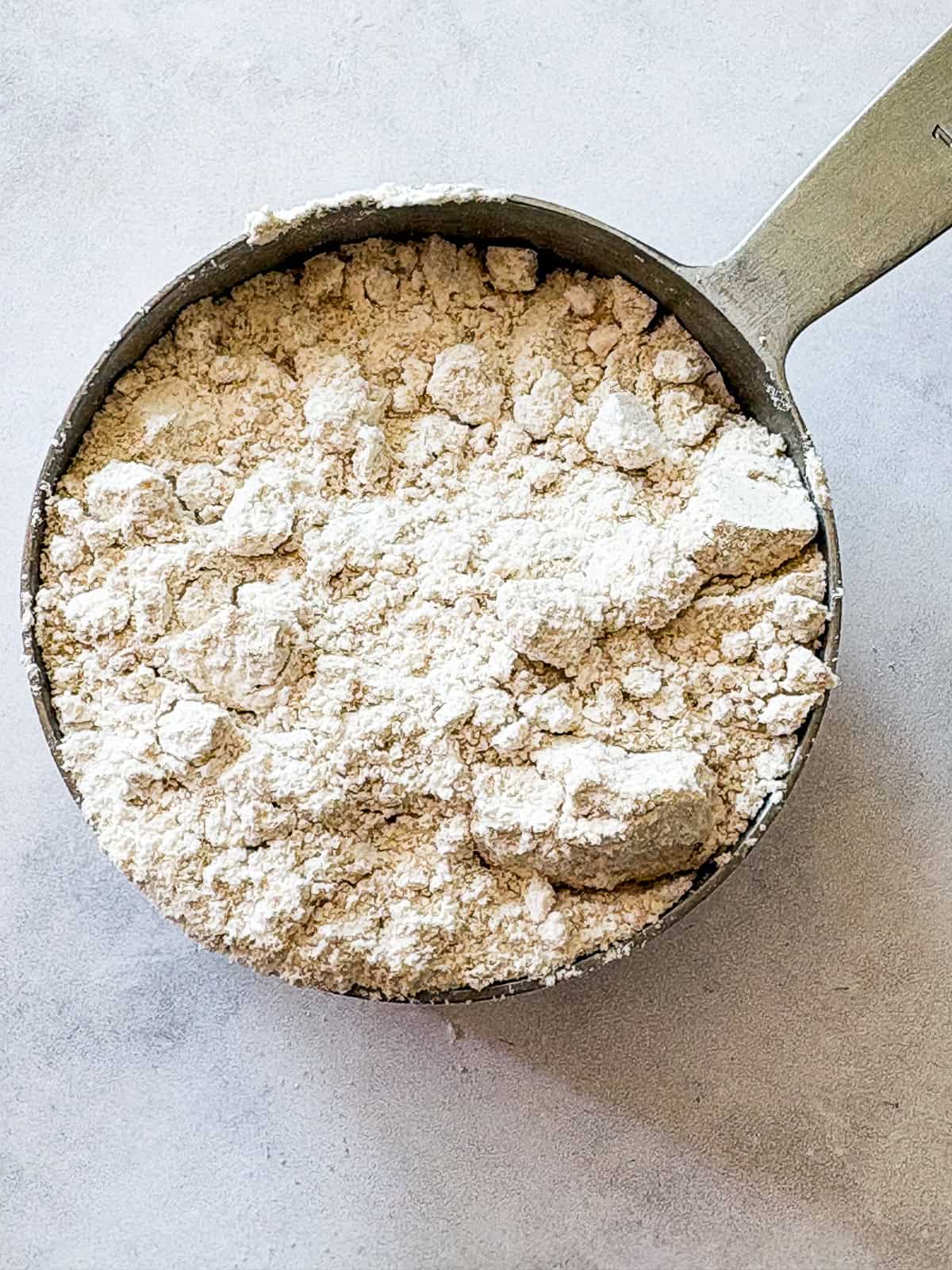
If you're new to gluten-free baking or just want to level up your game, I'm here for it. I love baking from scratch using simple, single-origin gluten-free flours, or turning to my homemade gluten free flour blend when I want a reliable balance of whole grain and starchy flours without digging through the pantry.
When converting traditional recipes, you may run across cake flour in the ingredients list. In gluten-free baking, that softer, lower-protein flour can make the difference between a cake that's good and one that's truly write-home-about good, with a super tender crumb.
The simplest workaround is to remove 2 tablespoons of flour from 1 cup of flour and replace it with cornstarch. Or, if you bake often, follow the recipe below to make up a batch of gluten free cake flour to keep on hand whenever you need it.
Jump to:
What Is (Glute Free) Cake Flour?
Cake flour, essentially, is a lower-protein flour than traditional wheat flour. (For reference, King Arthur's unbleached cake flour has a protein content of 10%, while all-purpose flour has a protein content of 11.7%.)
Why does this matter? Well, when you're making melt-in-your-mouth cookies or want a cake with an especially fine, tender crumb, you want to use a lower-protein flour, because it has less gluten-forming potential.
Of course, when baking gluten-free, we don't have this problem! Still, if you want a cake that's especially light and airy, for example, a gluten free angel food cake, gluten-free cake flour will achieve the best results.
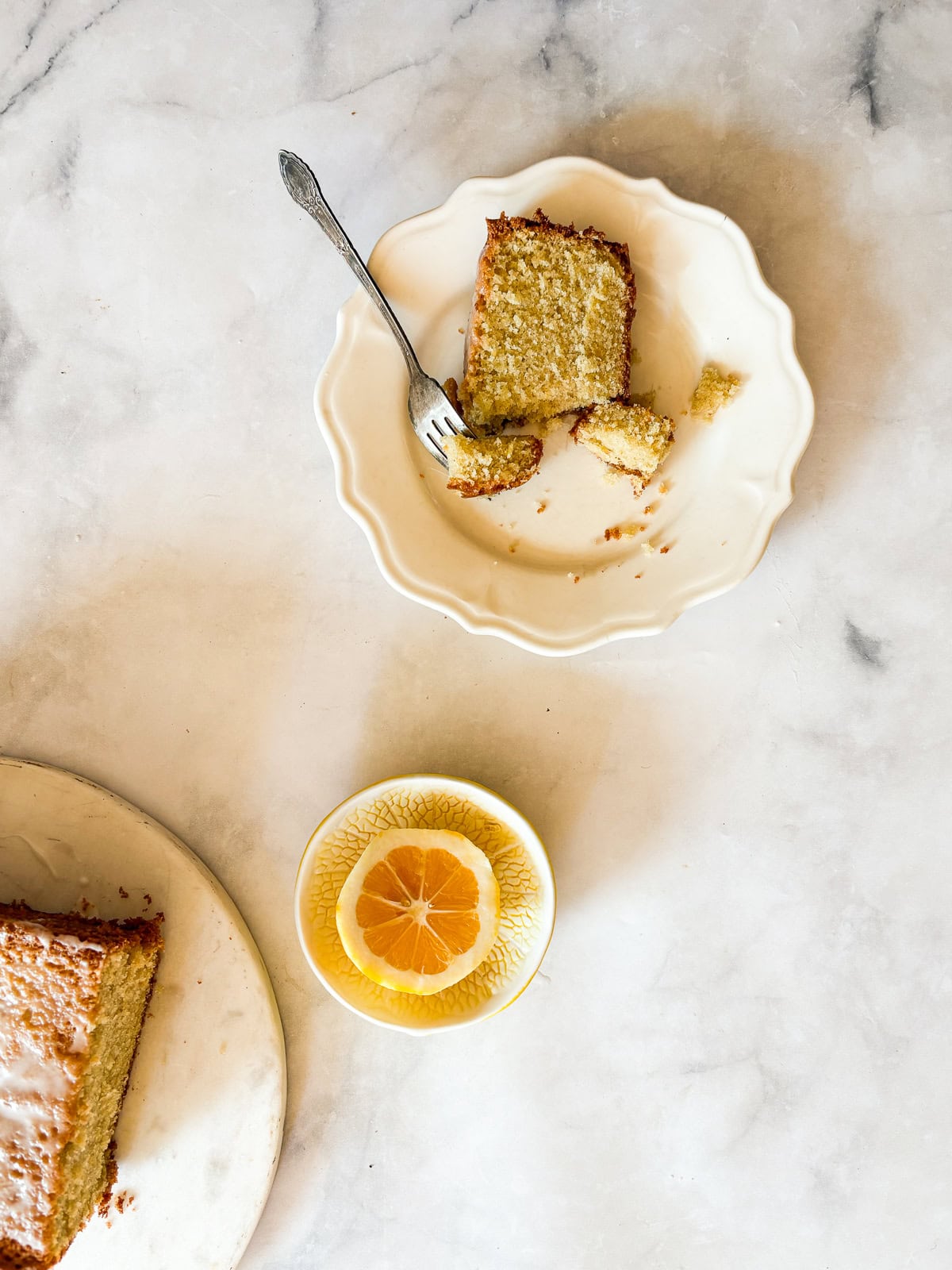
I like to use cake flour when I'm making a recipe that calls for one or two gluten-free flours and want to add a bit of lightness. It's featured in my gluten free lemon bundt cake, creating a gorgeously fluffy and cloud-like texture.
How to Use This Gluten Free Cake Flour Recipe
Typically, cake flour is used in, well, cakes! But it's also lovely in cookies or muffins where you want a more delicate crumb. See my favorite recipes to incorporate cake flour below:
- Chocolate cakes - Try it in my oat flour chocolate cake, gluten free chocolate cake, teff flour chocolate cake (replace 2 tablespoons of teff flour with cornstarch), and gluten free chocolate cupcakes.
- Vanilla cakes - In my gluten free birthday cake, oat flour vanilla cake, or gluten free busy day cake recipes.
- Pound cake - Cake flour in pound cakes creates a lovely, tender crumb. Add it to a gluten free chocolate chip pound cake, classic gluten-free pound cake, or a gluten free lemon pound cake.
- Shortbread - Try cake flour to make shortbread even more buttery and delicate! My gluten free lavender shortbread and gluten free shortbread cookies are good candidates.
- Muffins - In gluten free donut muffins and gluten free bakery style blueberry muffins.
Ingredients Needed to make Gluten Free Cake Flour
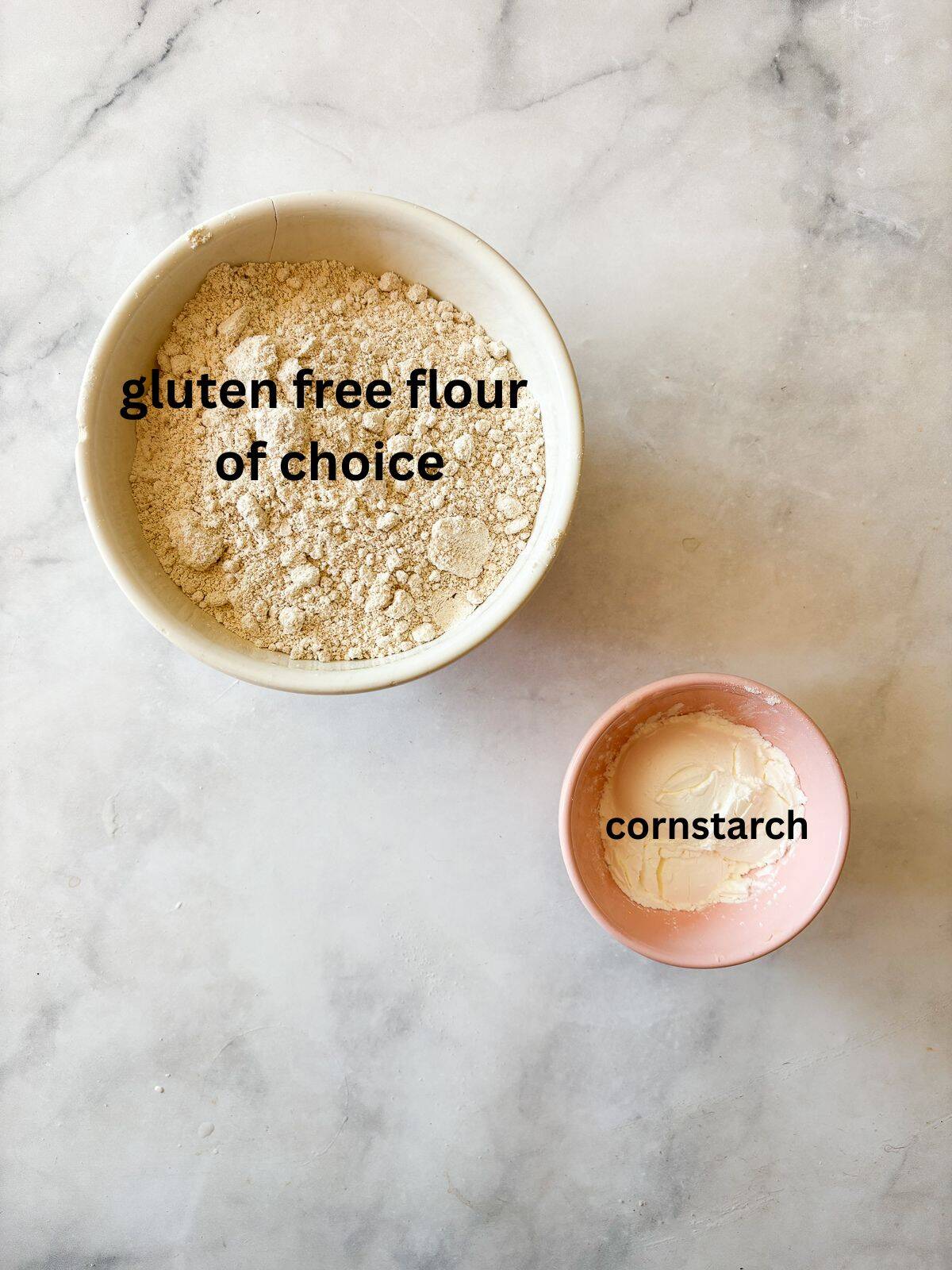
Make sure to scroll down to my recipe card at the bottom of this post for the full ingredient amounts and instructions!
- Gluten free flour - You can use any gluten-free single-origin flour here, including oat flour, sorghum flour, teff flour, brown rice flour, etc.
- Cornstarch - If you can't have corn, try tapioca starch as a 1:1 substitute for cornstarch.
How to Make Homemade Gluten Free Cake Flour
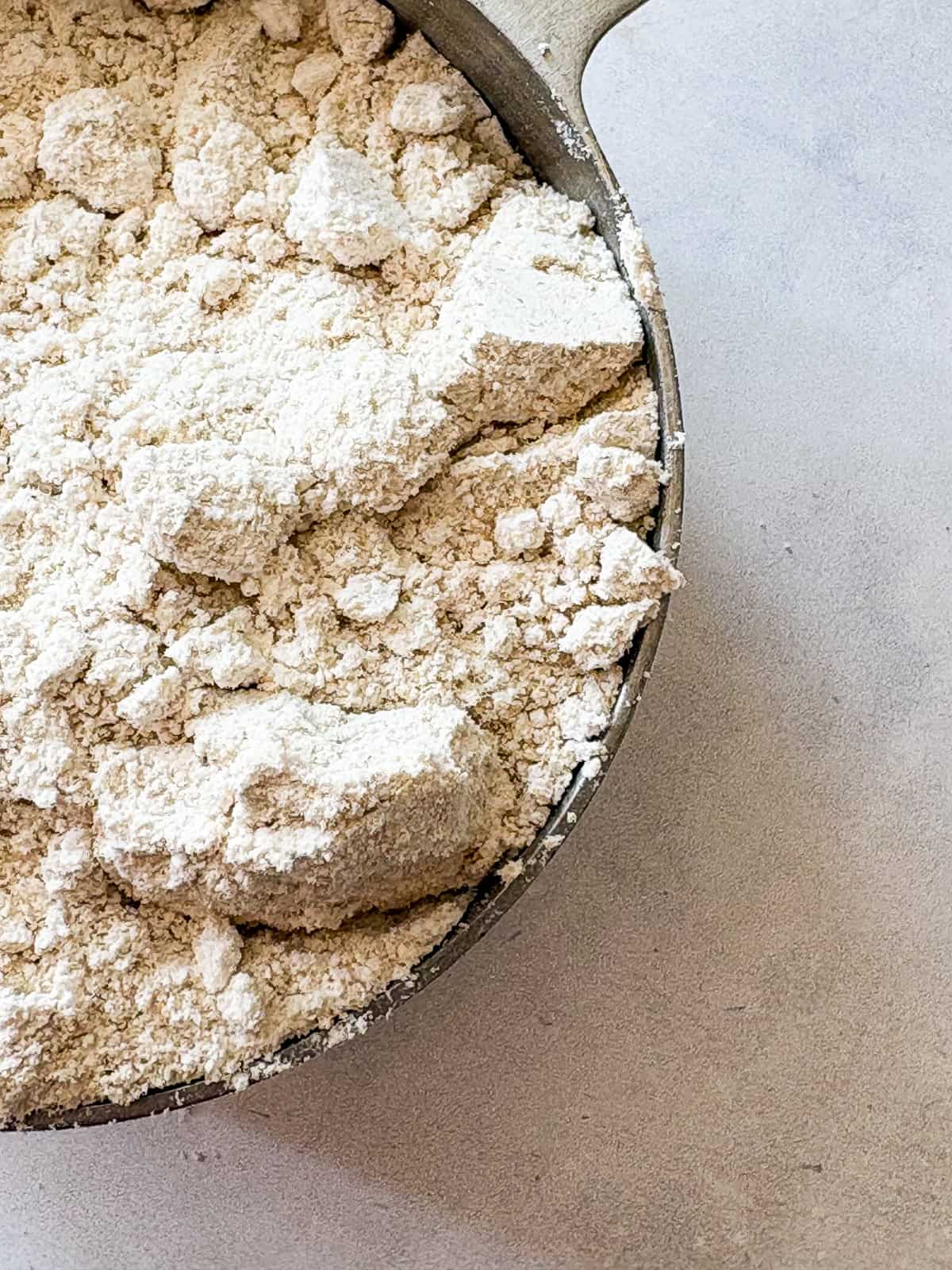
Here's an overview in photos of how to this gluten free cake flour recipe:
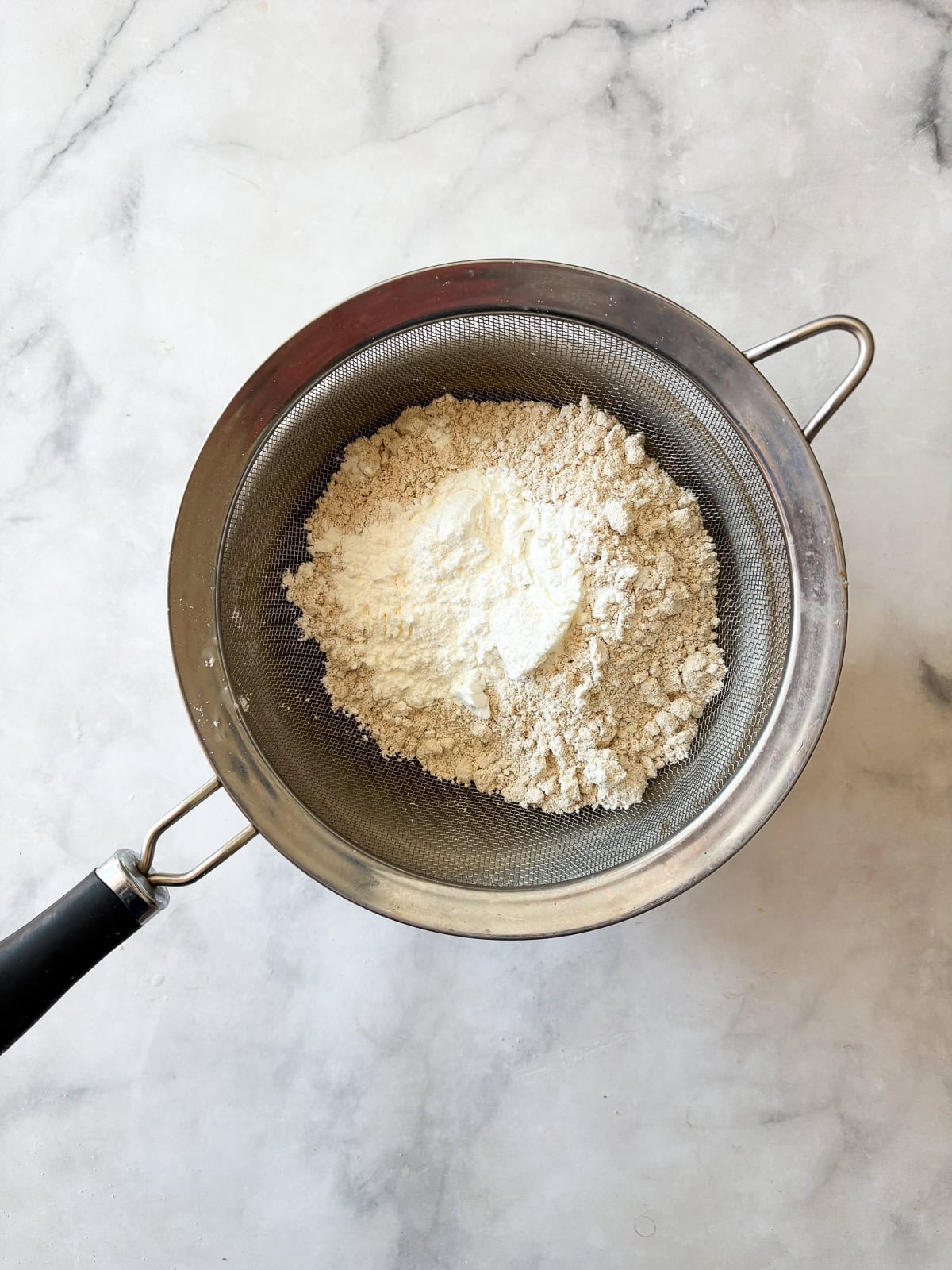
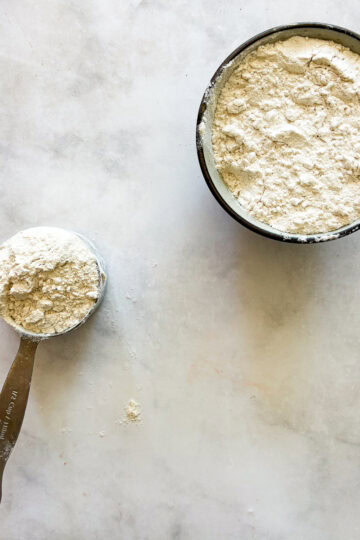
1. Combine: Place the gluten-free flour and cornstarch into a sifter set over a bowl.
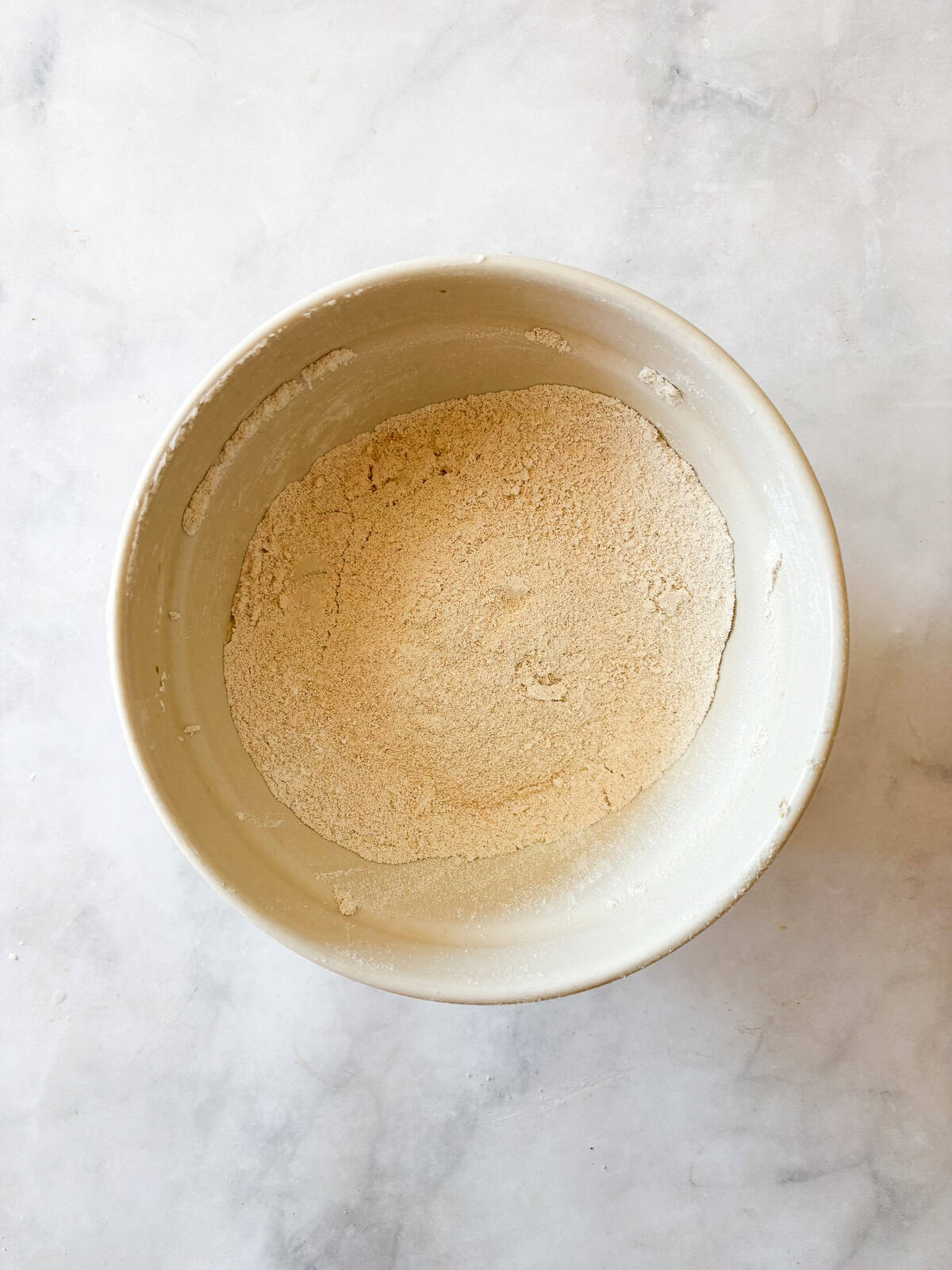
2. Sift: Gently sift the flour and cornstarch together.
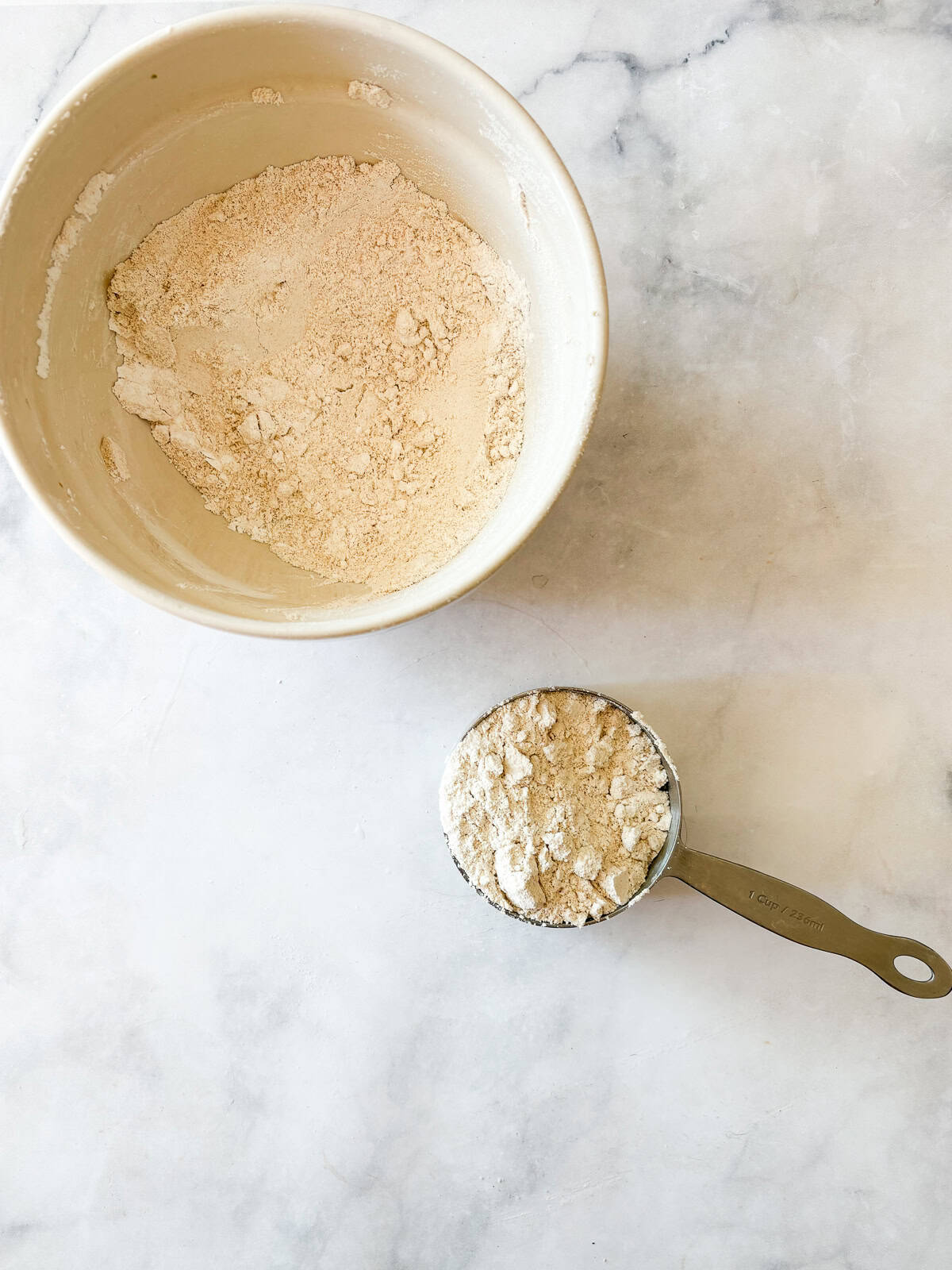
Gluten Free Cake Flour Recipe Notes
- Does this method work with nut flour? I haven't tried this with almond flour, but I think it would work fine. Keep in mind that nut flours are higher-protein flours, so even with the addition of cornstarch, the cake will not be quite as light as a cake made with oat or rice flour.
- Increase the quantities. This recipe makes 2 cups of gluten free cake flour. Feel free to double or triple the quantities if you'd like to keep a larger batch on hand.
- Can I use a gluten-free flour blend? Yes, you can use a 1:1 gluten free all-purpose flour instead of a single-origin flour. Most blends already contain a starchy flour, so adding cornstarch may make your bakes quite delicate.
- Measure by weight. For the best results, measure the gluten-free flour out by weight so you have complete accuracy. Otherwise, use the spoon and level method to measure the flour.
- Per recipe: If you want to quickly do a DIY cake flour substitute per recipe, measure out the flour needed. Then, figure out how many tablespoons to remove and replace (example: 1 cup of flour = remove 2 tablespoons and replace with 2 tablespoons of cornstarch; 1 ½ cups of flour = remove 3 tablespoons and replace with 3 tablespoons of cornstarch; 2 cups of flour = remove 4 tablespoons of flour and replace with 4 tablespoons of cornstarch, etc).
Storage
Like most gluten-free flours, this homemade cake flour blend is best stored in an airtight container, such as a glass jar with a tight-fitting lid, and kept in a cool, dry place (your pantry!) for up to 3 months.
More Easy Gluten Free Recipes
Happy baking! If you make this gluten free cake flour recipe, I'd love to know. Please leave a comment below, reach out with any questions, and tag me on Instagram @Cucina Nicolina ❤️
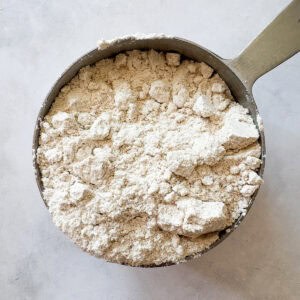
Homemade Gluten Free Cake Flour
Ingredients
- 2 cups gluten free flour such as oat, brown rice, sorghum, etc (240 grams)
- 4 tablespoons cornstarch
Instructions
- Place a sifter over a large bowl, and add the 2 cups gluten free flour and 4 tablespoons cornstarch. Sift into the bowl until blended.
Notes
- Does this method work with nut flour? I haven't tried this with almond flour, but I think it would work fine. Keep in mind that nut flours are higher-protein flours, so even with the addition of cornstarch, the cake will not be quite as light as a cake made with oat or rice flour.
- Increase the quantities. This recipe makes 2 cups of gluten free cake flour. Feel free to double or triple the quantities if you'd like to keep a larger batch on hand.
- Can I use a gluten-free flour blend? Yes, you can use a 1:1 gluten free all-purpose flour instead of a single-origin flour. Most blends already contain a starchy flour, so adding cornstarch may make your bakes quite delicate.
- Measure by weight. For the best results, measure the gluten-free flour out by weight so you have complete accuracy. Otherwise, use the spoon and level method to measure the flour.
- Per recipe: If you want to quickly do a DIY cake flour substitute per recipe, measure out the flour needed. Then, figure out how many tablespoons to remove and replace (example: 1 cup of flour = remove 2 tablespoons and replace with 2 tablespoons of cornstarch; 1 ½ cups of flour = remove 3 tablespoons and replace with 3 tablespoons of cornstarch; 2 cups of flour = remove 4 tablespoons of flour and replace with 4 tablespoons of cornstarch, etc).