Gluten Free Bread Flour Recipe (Gum-Free!)

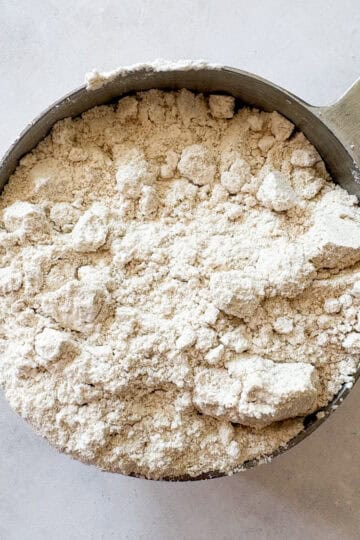
My homemade gluten free bread flour recipe is a go-to for breads and pastries of all kinds! A blend of whole grain and starchy flours - and no xanthan gum! - creates a versatile flour mix that works as a reliable 1:1 substitute in your favorite recipes.
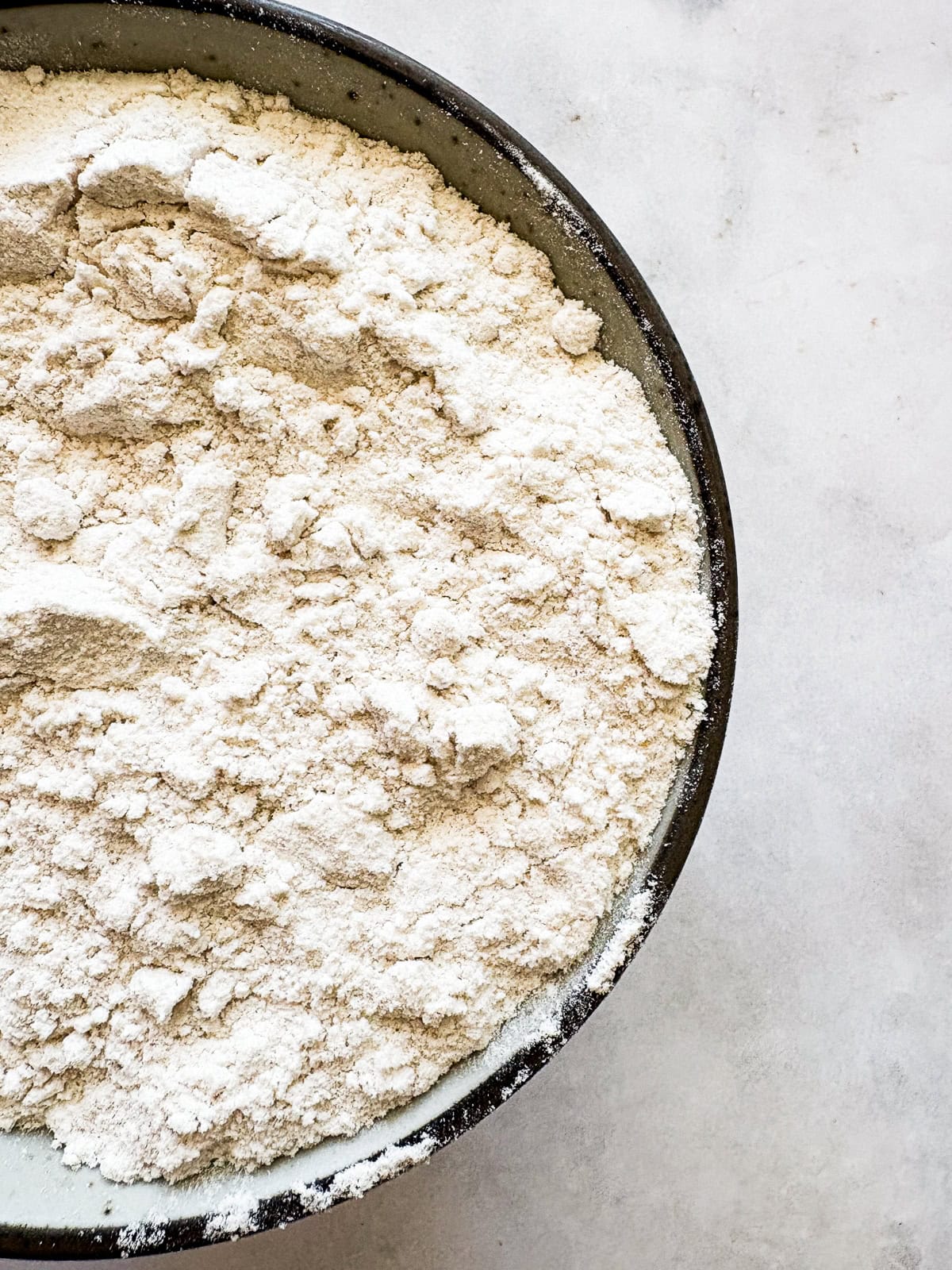
This stellar, extensively tested gluten free bread flour mix is adapted from the excellent Gluten Free Artisan Bread in 5 Minutes a Day, and is exceptional in all kinds of gluten-free breads, from rustic loaves of gluten free no knead bread and hearty gluten free cranberry walnut bread to soft and tender pastries like gluten free cinnamon rolls.
Made without xanthan gum, my blend relies instead on a balanced combination of whole grain and starchy flours plus ground psyllium husk to create structure, chew, and elasticity that closely mimic breads made with traditional wheat flour.
Use this easy mix anywhere a recipe calls for gluten-free bread flour, and skip the expensive store-bought blends. Once you mix this up, you'll have a versatile, reliable flour blend that's ready for everyday baking.
Jump to:
- Why Make a Gluten Free Bread Flour Mix?
- What Brand of Flours for Homemade Gluten Free Bread Flour?
- Ingredients Needed
- Gluten Free Bread Flour Mix Substitutions
- How to Make Gluten Free Bread Flour
- Gluten Free Bread Flour Recipe Notes
- How to Store Your Homemade Gluten Free Bread Flour
- Gluten Free Bread Recipes
- Gluten Free Bread Flour Recipe
Why Make a Gluten Free Bread Flour Mix?
I love baking bread, but especially when baking gluten-free bread, I want to keep the process as streamlined as possible. Being able to use a handy gluten free bread flour mix keeps my prep time short, and I don't have to weigh out a bunch of flours each time I want to bake a loaf.
While I have had great success with store-bought brands like King Arthur Gluten Free Bread Flour, I always prefer to make my own blends (see my homemade gluten free flour blend or gluten free cake flour recipes, too). Not only is this more economical long-term, but I can adjust my homemade blend to whatever flours I have on hand, or if I feel like making a more whole-grain-forward mix.
Plus, I try to avoid xanthan gum when possible, and so many purchased mixes contain gums! There are no gums called for in my gluten free bread flour mix, just ground psyllium, which works just beautifully.
What Brand of Flours for Homemade Gluten Free Bread Flour?
All of the flours and the psyllium powder shown here are Anthony's brand, which is my favorite brand of gluten-free flour. Most of the flours are sold in large bags, making this a wallet-friendly choice, and I find their quality to be very good.
If you use a different brand of flour, your bread flour mix might perform slightly differently, but in theory, using finely ground gluten-free flours should create a fairly uniform result across recipes. Bob's Red Mill is another reliably great source of gluten-free flours.

Ingredients Needed
This recipe makes about 4 ½ pounds (2 kilograms) of flour mix. Make sure to scroll down to my recipe card at the bottom of this post for the full ingredient amounts and instructions!
- White rice flour - For bread that mimics those made with all-purpose flour, white rice flour is a powerhouse. It creates a nice structure and keeps the bread lighter in color, like traditional breads.
- Oat flour - Whole grain oat flour adds texture and a subtle flavor to the mix.
- Tapioca flour - A wonderful starchy flour, tapioca starch/flour will add lightness to your bread.
- Potato starch - NOT potato flour, potato starch works alongside the tapioca flour to balance the white rice and oat flours.
- Ground psyllium husk - I prefer to use ground psyllium husk, but you can use whole psyllium husk instead. Add 2 tablespoons more of whole husk if you go this route.
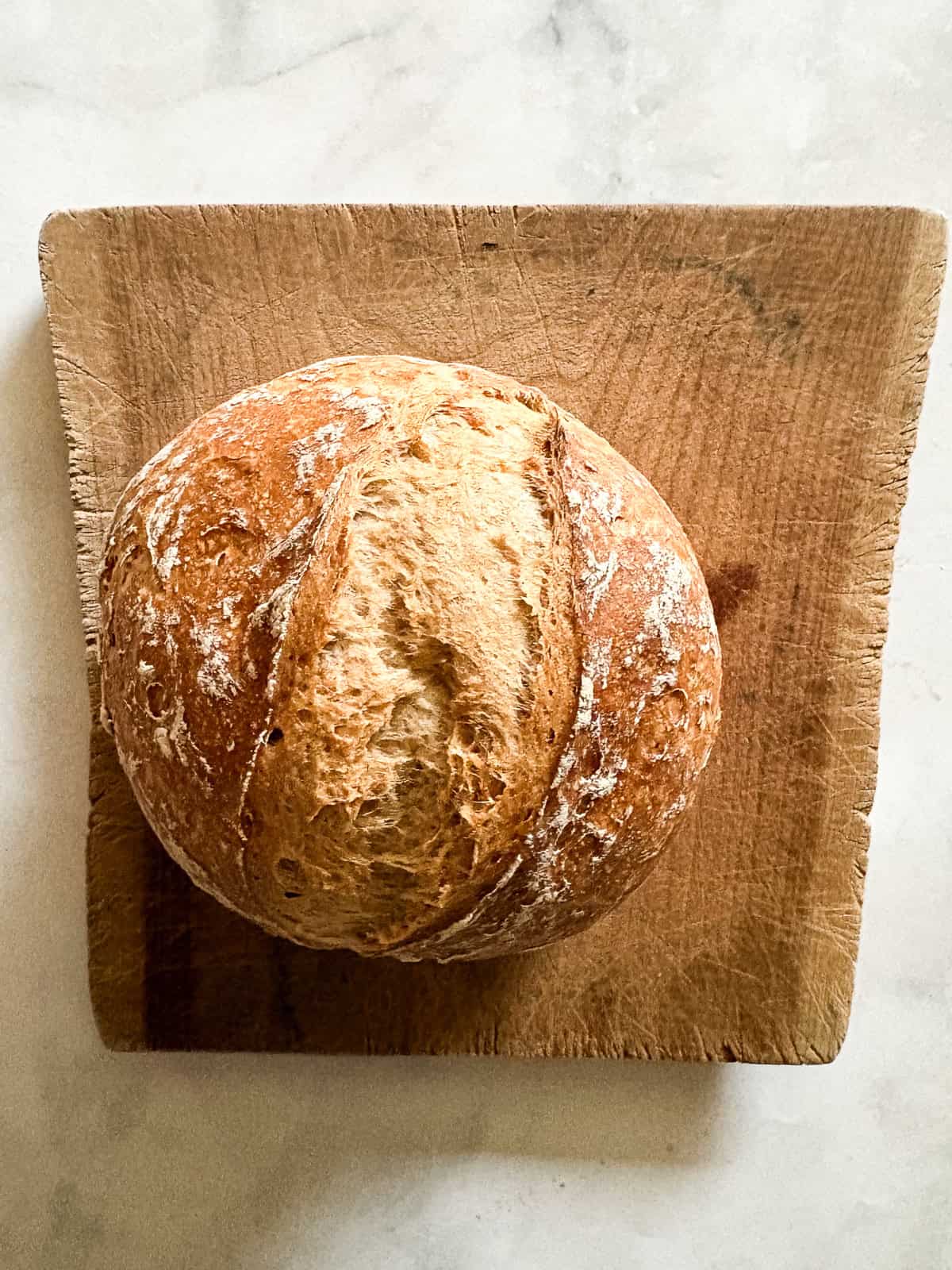
Gluten Free Bread Flour Mix Substitutions
- For the white rice flour: Substitute brown rice flour for a whole grain option, or do an equal mix of white rice and brown rice flours. If using brown rice flour, you may need to add a few extra tablespoons of water to your dough as you mix because whole-grain flour sucks up more moisture.
- For the oat flour: Substitute sorghum flour for the oat flour.
- For the tapioca flour: Try arrowroot starch or cornstarch.
- For the potato starch: Try arrowroot starch or cornstarch.
- For the ground psyllium husk: You may use xanthan gum.
How to Make Gluten Free Bread Flour
Here's how to make this homemade gluten free bread flour recipe:
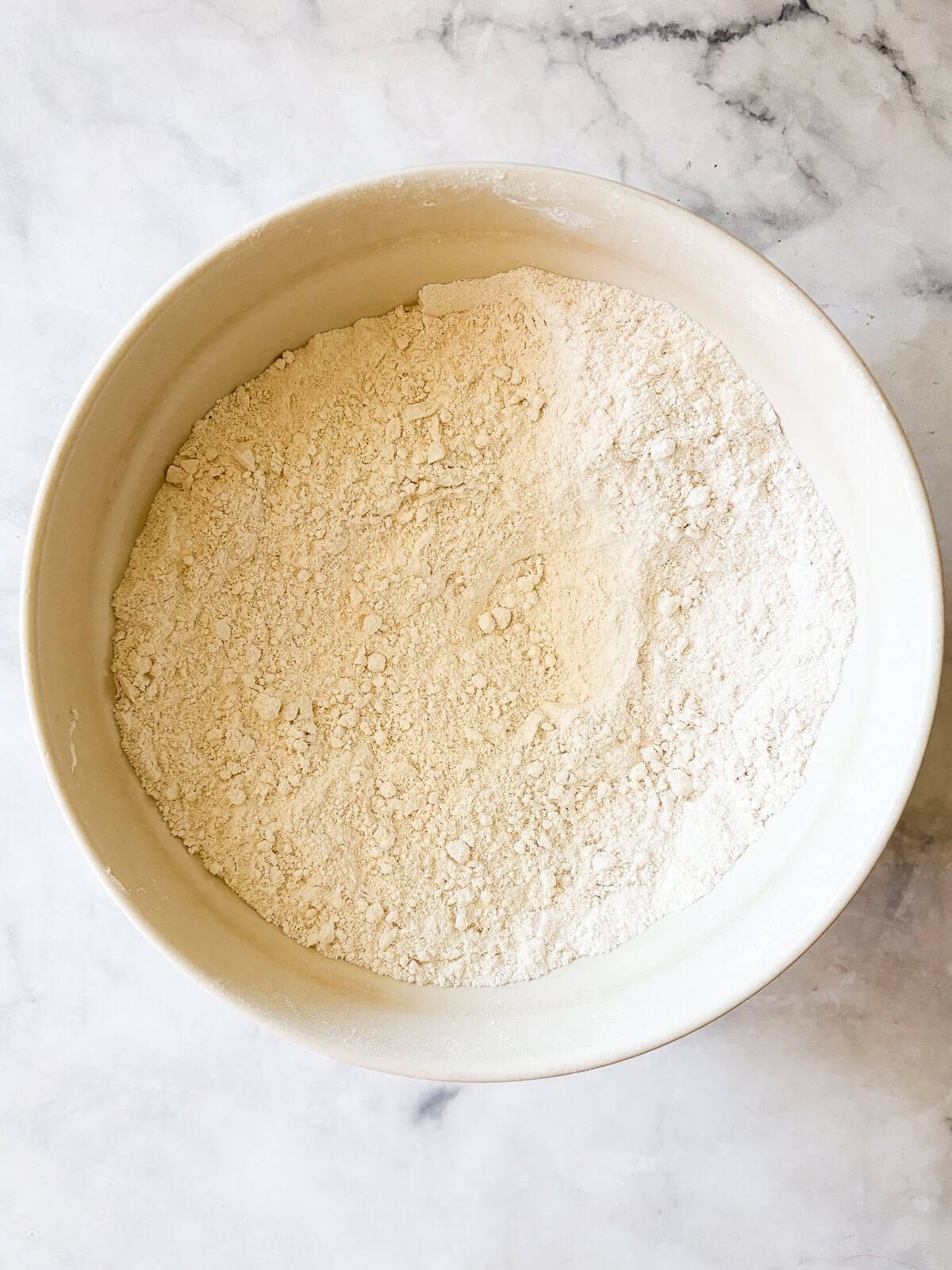
1. Combine: Add all of the flours to a big bowl.
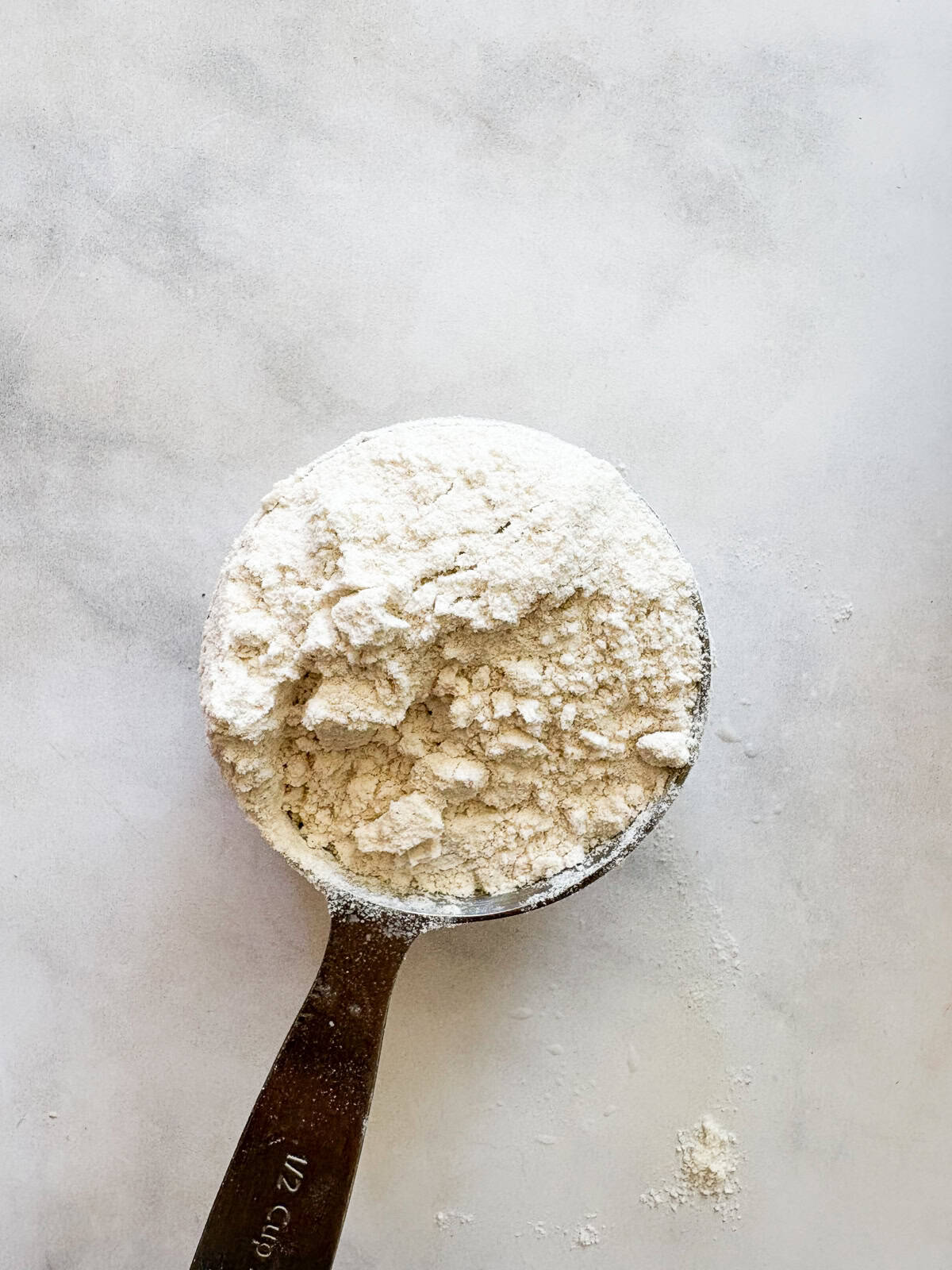
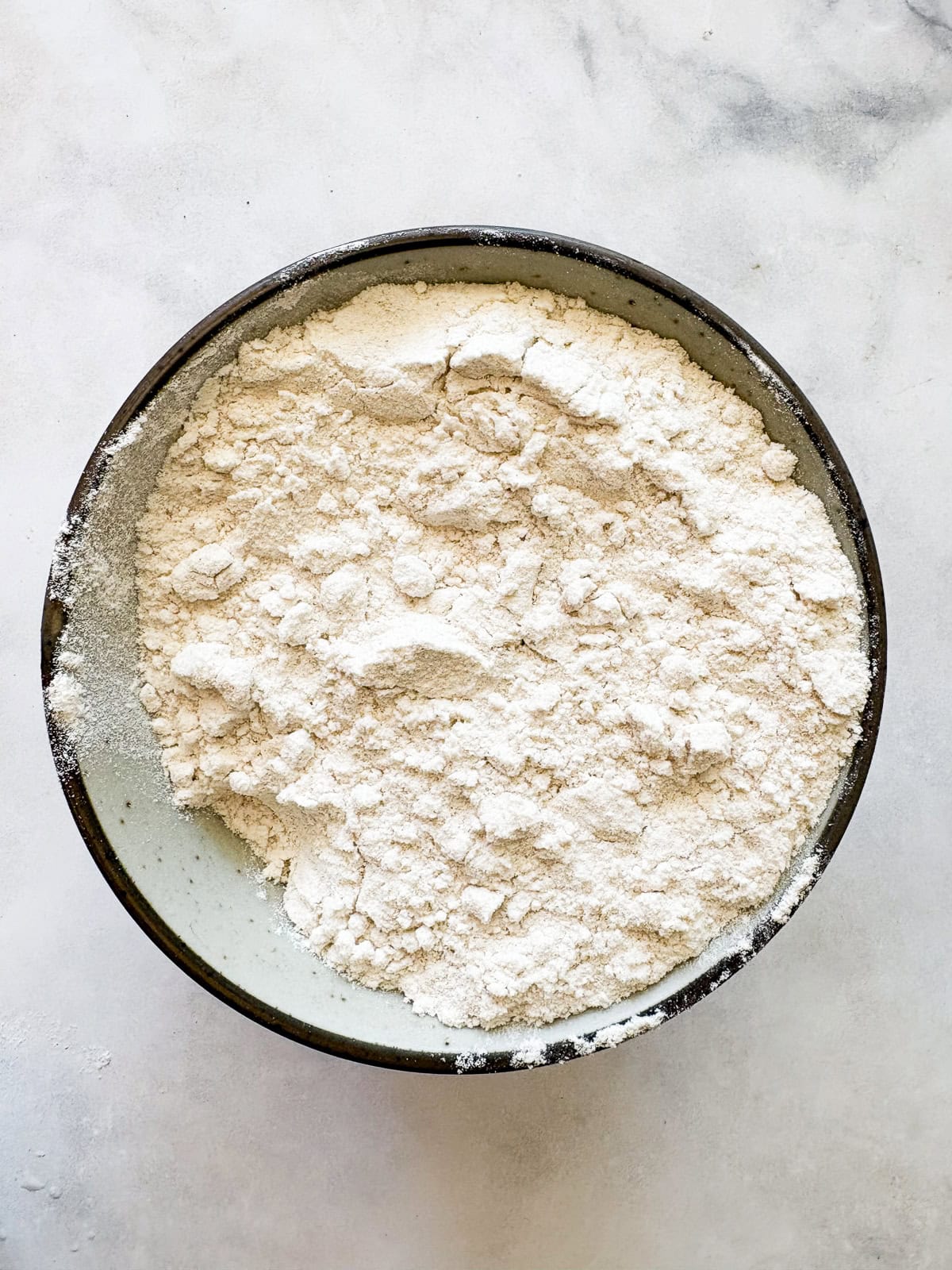
2. Mix: Whisk and mix the flours together until well blended.
Gluten Free Bread Flour Recipe Notes
- Do I need to use these exact flours? You can experiment with the varieties of flour used here, but make sure to keep the ratio of gluten-free flours to starch the same so that the mix is balanced. Keep in mind that using a flour like buckwheat will have a stronger flavor than white rice flour.
- Make a bigger batch. This recipe makes a lot of bread flour mix, which is so handy! I love not having to weigh and measure flours every time I want to bake. You can definitely double the quantities if you want to keep even more on hand.
- Measure the flours by weight. When preparing the mix, you'll have the best overall results if you measure the gluten-free flour out by weight. This ensures complete accuracy. Otherwise, use the spoon and level method to measure the flour.
- Mix well. Make sure to stir and whisk the gluten-free flours together very well so that they are well mixed. When you transfer to your storage container, give the container a shake, and give the mix a shake and a whisk each time you go to use it to redistribute the flours.
How to Store Your Homemade Gluten Free Bread Flour
Like most gluten-free flours, this homemade gluten free bread flour mix is best stored in an airtight container and kept in a cool, dry place (your pantry!) for up to 3 months.
Gluten Free Bread Recipes
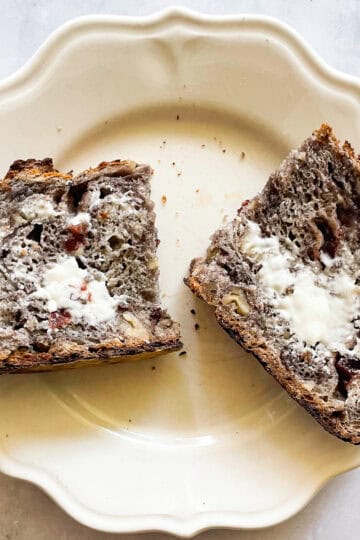
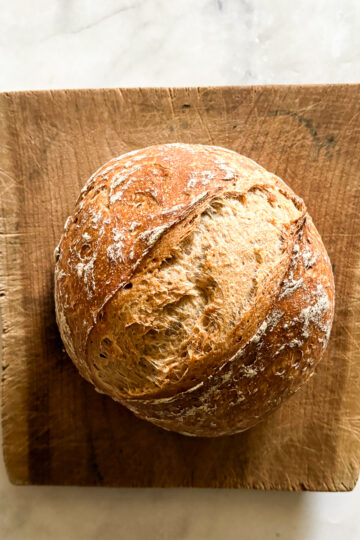
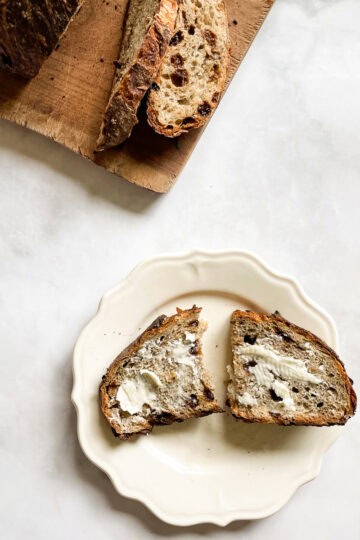

Happy baking! If you make this gluten free bread flour recipe, I'd love to hear how it went. Please leave a comment below, reach out with any questions, and tag me on Instagram @Cucina Nicolina ❤️

Gluten Free Bread Flour Recipe
Ingredients
- 6 cups white rice flour , or brown rice flour (1,020 grams)
- 3 ¼ cups oat flour , or sorghum flour (455 grams)
- 1 ¾ cups tapioca flour (225 grams)
- 1 ¼ cups potato starch (225 grams)
- ¼ cup ground psyllium husk (40 grams)
Instructions
- In a large bowl, place the 6 cups white rice flour , 3 ¼ cups oat flour, 1 ¾ cups tapioca flour, 1 ¼ cups potato starch, and ¼ cup ground psyllium husk. Whisk to combin very well. Store in an airtight container in the pantry. Before using, give the container a good shake to redistribute the flours.
Notes
- Do I need to use these exact flours? You can experiment with the varieties of flour used here, but make sure to keep the ratio of gluten-free flours to starch the same so that the mix is balanced. Keep in mind that using a flour like buckwheat will have a stronger flavor than white rice flour.
- Make a bigger batch. This recipe makes a lot of bread flour mix, which is so handy! I love not having to weigh and measure flours every time I want to bake. You can definitely double the quantities if you want to keep even more on hand.
- Measure the flours by weight. When preparing the mix, you'll have the best overall results if you measure the gluten-free flour out by weight. This ensures complete accuracy. Otherwise, use the spoon and level method to measure the flour.
- Mix well. Make sure to stir and whisk the gluten-free flours together very well so that they are well mixed. When you transfer to your storage container, give the container a shake, and give the mix a shake and a whisk each time you go to use it to redistribute the flours.
Nutrition
Love this recipe?
Add Cucina Nicolina as a trusted source on Google so my newest bakes, cakes, and simple gluten-free recipes appear more often when you search.
Add Cucina Nicolina on Google(Works best when you're logged into Google, especially on mobile.)