Thoughts on Gluten Free Baking (and Why I Don't Use Xanthan Gum)

My personal approach to gluten free baking! Covering why I prefer single-origin flours, don't ever use gums in my recipes, and more.
I first published this essay on Substack, but wanted it to have a home on my site as well. It's lightly edited from the original.
How I Approach Gluten-Free Baking
I was measuring out my flours for a recipe earlier this week when I realized that I hadn't used a gluten-free flour mix in a long time (and to be fair, the one I always use is my homemade gluten-free flour blend rather than a store-bought mix). I've gotten into a real rhythm of knowing what gluten-free flour works well in what recipe; my true happy place is a combination of oat and almond flours, which produces such a velvety, rich crumb that it's almost impossible, if not absolutely impossible!, to tell it's gluten-free.
For years, ever since I worked on my cookbook, I've leaned into developing recipes that call for single-origin gluten-free flours, often in combinations of three or fewer, and sometimes just one flour. This gets at the heart of my gluten-free baking philosophy: it doesn't have to be complicated or expensive to make good gluten-free bakes, or gluten-free food in general.
Jump to:
Why I Don't Believe Xanthan Gum Is Necessary
I prefer simple ingredients, which is one reason I don't use xanthan gum in my recipes. I firmly believe it isn't necessary when you have the right combination of gluten-free flours and, when needed, starches. I like knowing what each flour is doing in a recipe and tweaking the amounts to accommodate the other ingredients and flavors.
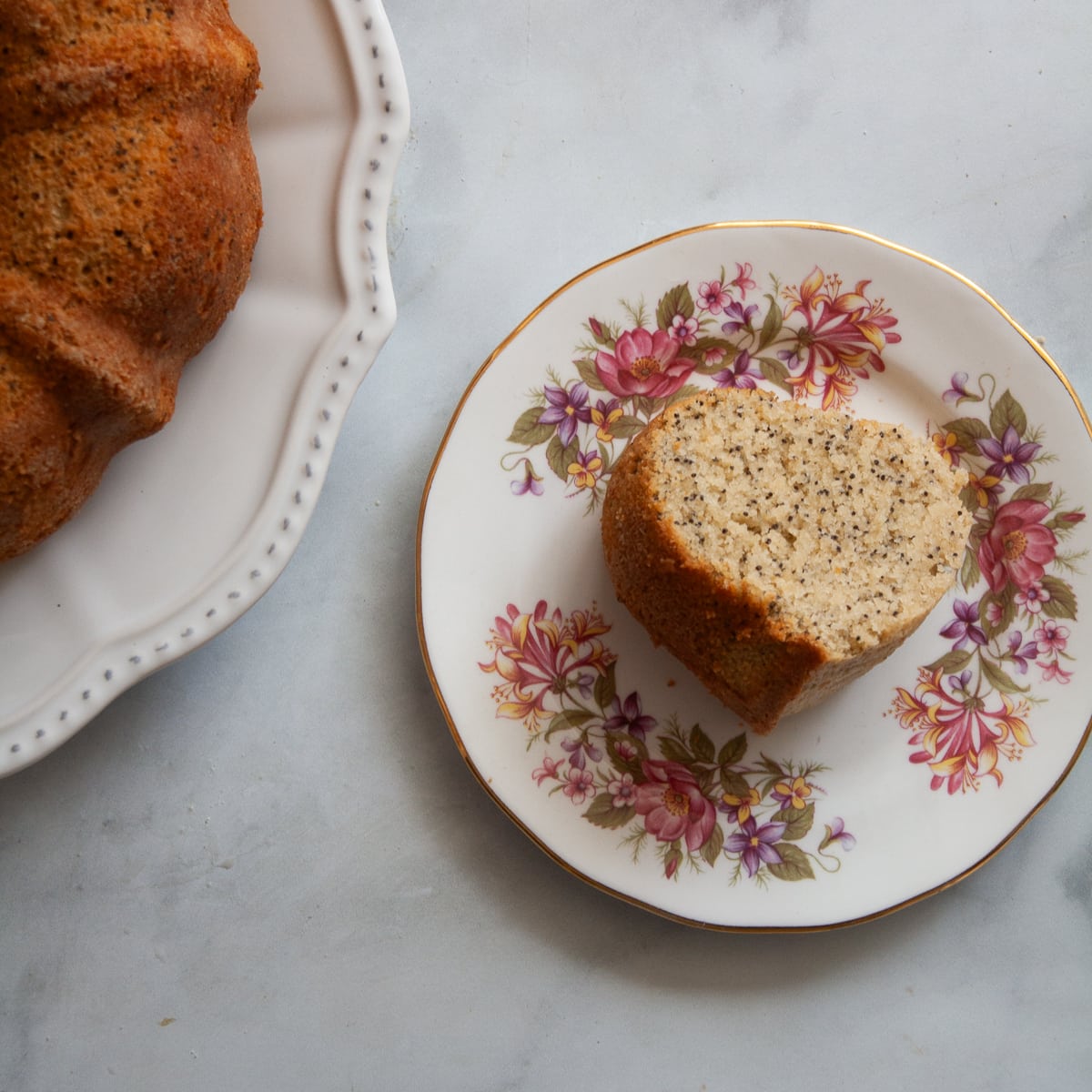
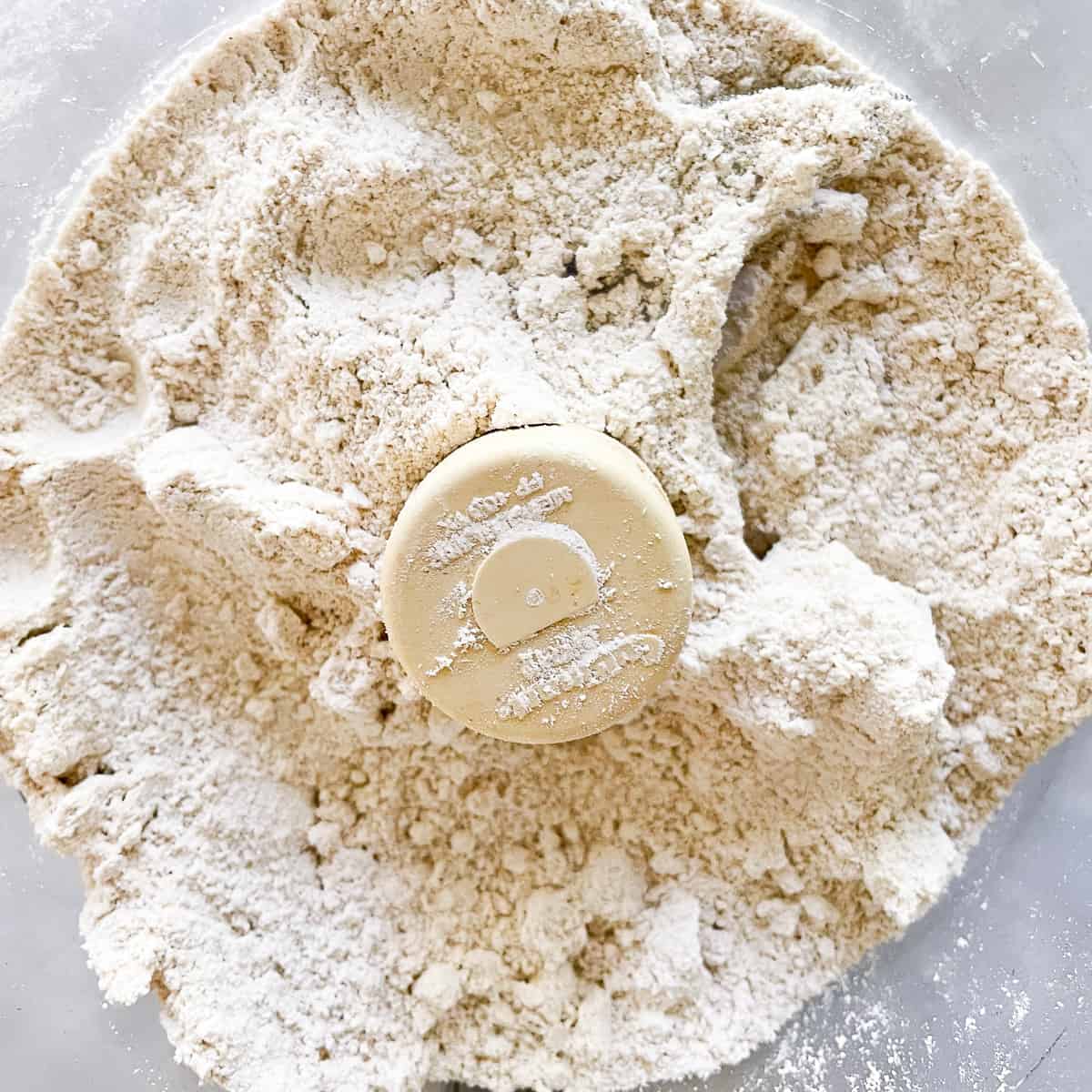
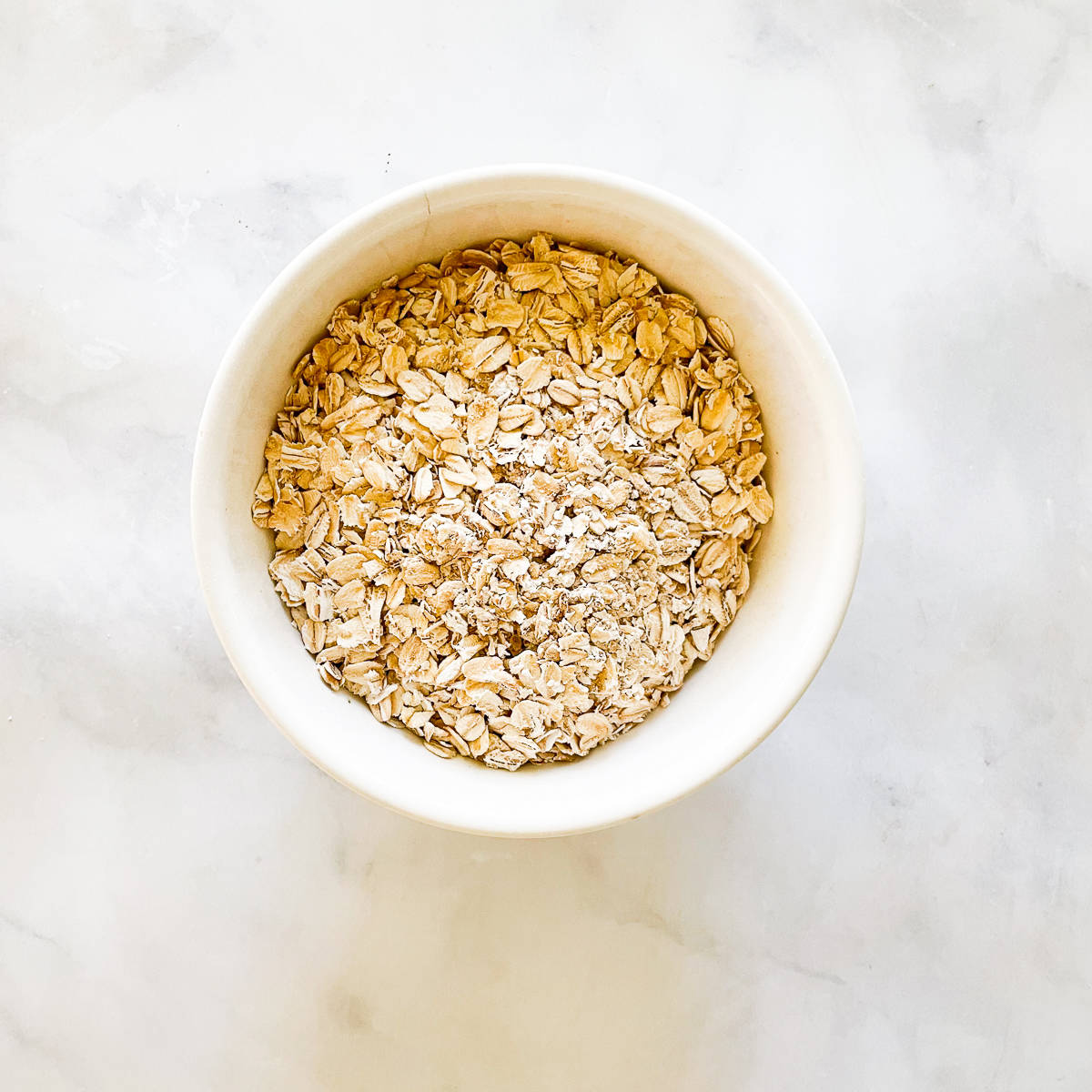
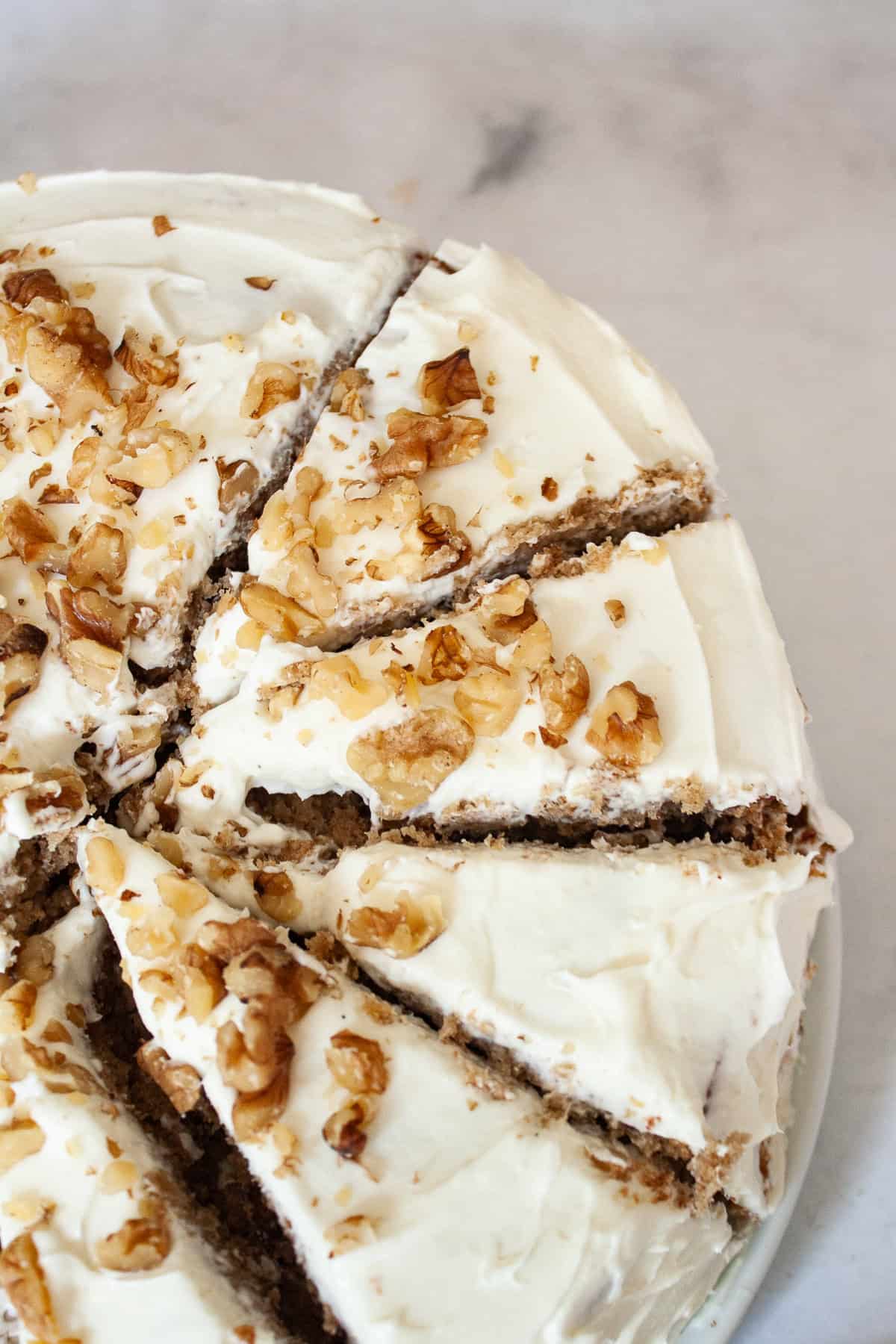
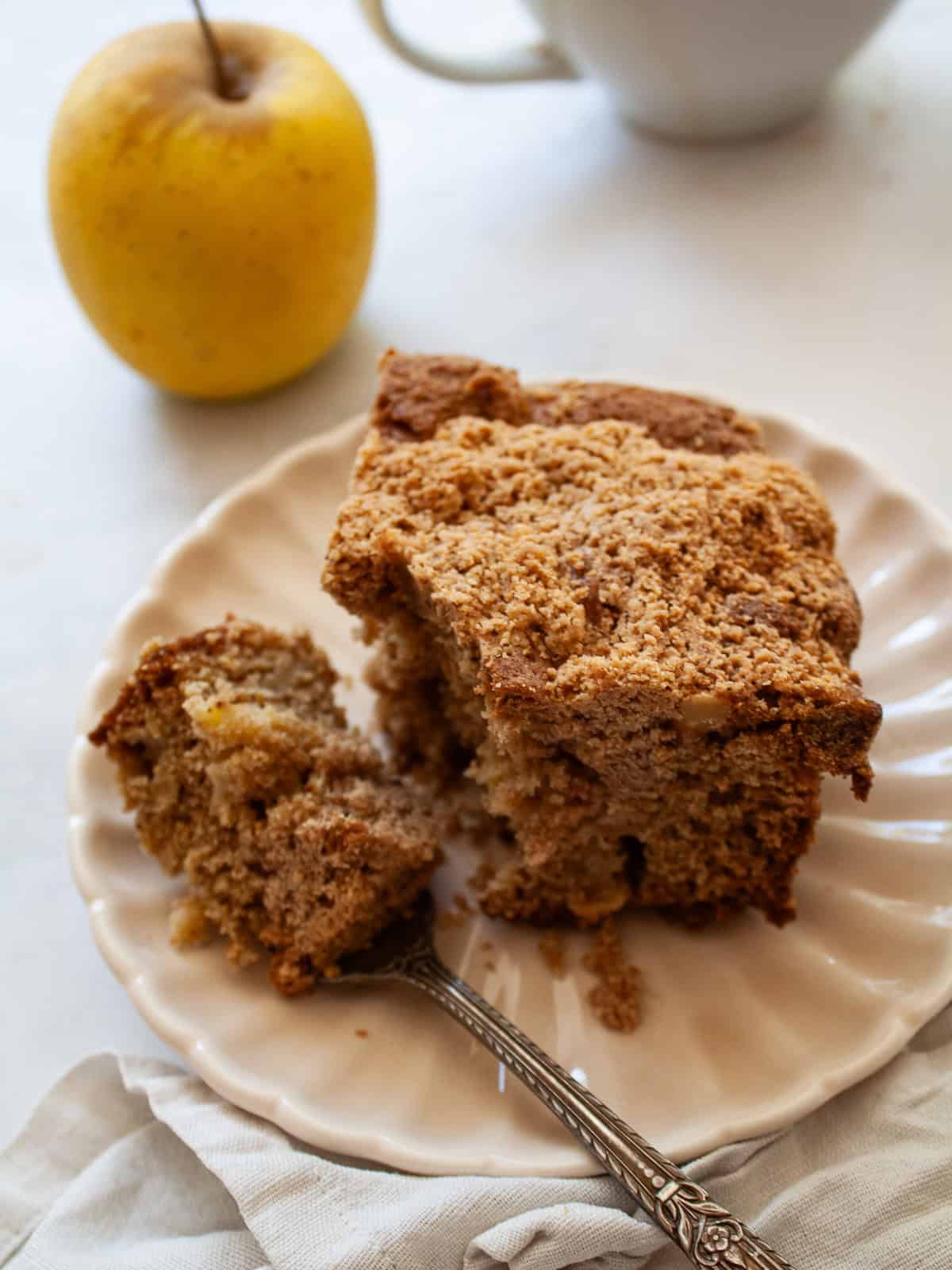
My favorite gluten-free flours of the moment, and perhaps for always, are oat and almond flour. For starches, I love sweet white rice flour and tapioca starch, which, with oat flour, are the foundation of my homemade gluten-free flour blend. I use oat and almond flour together in many recipes, adjusting the proportions depending on what I'm making. Sometimes one or the other works perfectly just on its own (see my almond flour apple cake and oat flour pumpkin bread for prime examples!).
If you can't eat oats, brown rice flour is my favorite substitute. It's a mild, whole-grain flour that works in almost every recipe I've added it to, and you can generally substitute it for oat flour 1:1 by weight. If whole grains aren't a priority, white rice flour is another useful, neutral option. All of these flours can produce bakes that are remarkably similar to their wheat-based counterparts.
I also love more flavorful, robust gluten-free flours such as sorghum, buckwheat, and teff. They bring more personality to a bake, which can be exactly what you want in a particular recipe. But for general-purpose gluten-free baking, oat flour, almond flour, brown rice flour, and a few simple starches are the flours I reach for most often.
Why I Develop Recipes With Individual Gluten-Free Flours
There's a reason I use single origin flour combinations in many of my recipes rather than simply telling you to substitute gluten-free flour 1:1 for wheat flour. Gluten-free flours don't all weigh the same, and they don't behave the same way in a recipe. A recipe developed with wheat flour has been built around wheat's particular properties. Simply replacing it cup-for-cup with a gluten-free flour blend doesn't automatically recreate those properties.
During my ghostwriting tenure, I wrote posts for a gluten-free food blogger who often simply substituted gluten-free flour 1:1 in recipes without sharing the grams needed. (And by the way, did you know there is a whole industry of people "creating" and selling recipes and photos to food bloggers? I had to sign an NDA when I signed on with the agency I worked for, which tells you everything you need to know.)
Anyway, the recipes also failed to mention some of the basic adjustments that make gluten-free baking work, such as weighing flour and hydrating batter before baking, which was so frustrating. This matters! Gluten-free flours, particularly flours such as oat and brown rice, often benefit from time to absorb the liquid in a batter. Letting a batter rest for 20 minutes before baking can make a real difference in the finished texture.
Gluten-free baking does require a few adjustments, sure, but it's by no means overwhelming. Using a kitchen scale, or following gluten-free recipes that account for the variance in weight between wheat and gluten-free flour (I write my recipes this way), and letting your batter rest all go a long way toward success. And, ideally, follow recipes that have actually been developed and tested with gluten-free flours rather than recipes that have simply had wheat flour swapped out.
This is what I try to do with my recipes. I write them with the knowledge that gluten-free flours generally weigh a little less than all-purpose wheat flour, and I develop my recipes around the specific combination of flours I'm using. Sometimes that means oat and almond flour.

When I Do Use Gluten-Free Flour Blends
And while I love my simple flour combinations, I admit that yes, there are times when I grab a blend. I prefer my xanthan-gum-free homemade gluten-free flour blend and homemade gluten-free bread flour blends, which make life easier when I'm in a rush. The main thing is to pay attention to how a recipe was written. If you're substituting a gluten-free blend for wheat flour, recipes that provide measurements in grams are especially helpful because you can make a more accurate substitution.

Making Gluten-Free Baking More Approachable
Some of my thinking about gluten-free baking has been influenced by bakers such as Aran Goyoaga and Alanna Taylor-Tobin from Bojon Gourmet, both of whom take an individual-flour-based approach to gluten-free baking.
And ideally, that's what I'm after. I want gluten-free baking to feel approachable and ordinary, made with simple, real ingredients you can easily pronounce. A few good flours, a kitchen scale, a bit of understanding of how those flours behave, and a recipe that has been tested and retested can take you a long way toward gluten-free baking success.
I hope this was helpful! If you have any recipe questions, always feel free to reach out in comments or email. I hope you love it! ❤️