Favorite Chocolate Buttercream Frosting Recipe

The creamiest and fluffiest chocolate buttercream frosting recipe that's incredibly versatile. My foolproof, go-to frosting for cakes, cupcakes, cookies, etc.
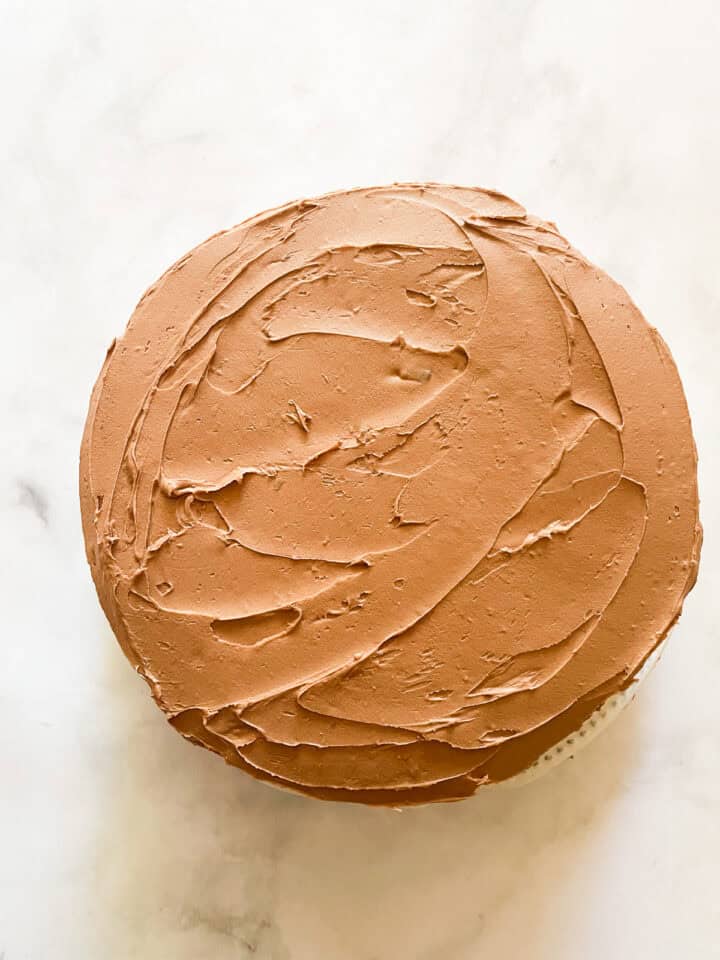
This is chocolate buttercream frosting recipe is the one I use on almost every cake I bake, and it always receives rave reviews (I had a friend who loved it so much I just made a batch of buttercream, popped it into a container, and handed it to her along with a spoon, no cake needed).
Whether on a gluten free birthday cake, gluten-free chocolate cake, or a dozen oat flour chocolate cupcakes, you absolutely cannot go wrong with a chocolate buttercream. I lean heavily on the chocolate in my recipe, preferring not to use a liberal hand with the powdered sugar. The resulting darkly chocolate, deeply rich, not cloyingly sweet frosting I've perfected over the years is my go-to. I hope you love it as much as I do.
Jump to:
- Why You'll Love This Chocolate Buttercream Frosting Recipe
- Recipe Ingredients
- Chocolate Buttercream Frosting Variations
- How to Make This Chocolate Buttercream Frosting Recipe
- Chocolate Buttercream Tip: Room Temperature Butter
- Chocolate Buttercream Frosting Recipe Notes
- How to Use Chocolate Buttercream Frosting
- Storage Options
- More Chocolate Recipes
- Chocolate Buttercream Frosting Recipe
Why You'll Love This Chocolate Buttercream Frosting Recipe
And this recipe is my absolute favorite. It is! Why? First off, the texture is amazing. I love a simple chocolate icing when I'm short on time, but when I want a real deal, no fooling around frosting, chocolate buttercream is the one for me. It's somehow both creamy and fluffy, rich with semisweet chocolate, and spreads like a dream. So, why make it?
- It goes with almost everything. OK, maybe you'd skip it on a gluten free carrot cake, but otherwise, this frosting is amazing on most cakes, brownies, and more!
- It's easy! You need about 10 minutes or less to (literally) whip this up.
- You can use any type of chocolate. My favorite is a darker semisweet chocolate here, but I've definitely used this method with milk chocolate for a richer, sweeter frosting.
- It's just so dang delicious. I could go on and on about this, but really ... you gotta try it for yourself.
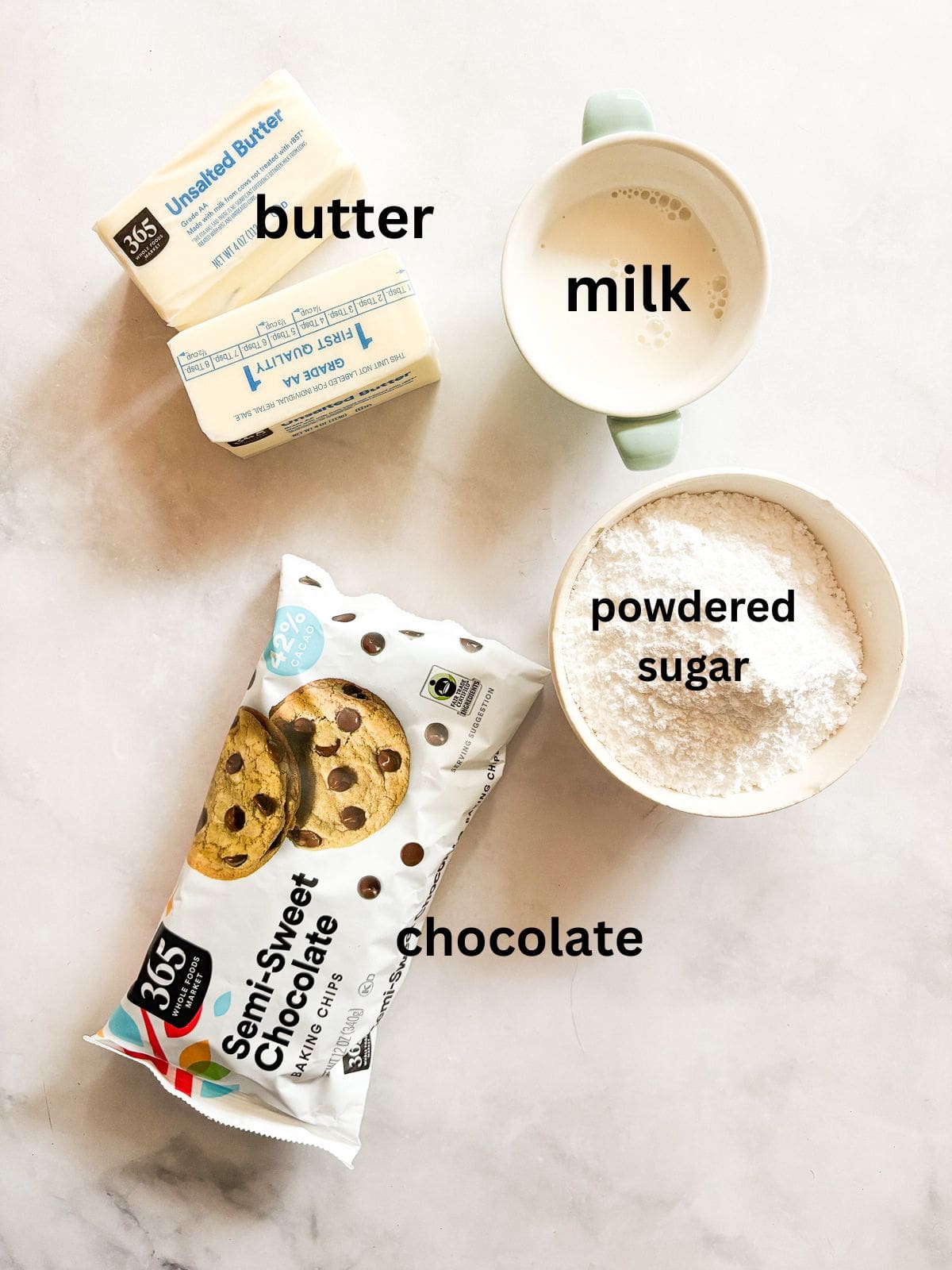
Recipe Ingredients
Simple and sweet - that's why I love this frosting! Make sure to scroll down to my recipe card at the bottom of this post for the full ingredient amounts and instructions.
- Butter - Unsalted butter is my preference, although you can use salted butter as well. Keep it easy!
- Powdered sugar - ALWAYS sift the powdered sugar into the bowl to prevent a clumpy-lumpy frosting.
- Chocolate - I always use semisweet chocolate, either from chips or a chopped-up bar, for buttercream. However, you can use this method with milk chocolate for a sweeter, lighter frosting. I would adjust the amount of added sugar if you go with milk chocolate because it might turn out too sweet otherwise.
- Milk - Keep a small amount of milk handy to thin out the frosting a bit after you add the sugar.
Chocolate Buttercream Frosting Variations
- Pinch of salt - For a more sweet-salty vibe, use salted butter or add ¼ teaspoon of salt along with the sugar.
- Vanilla extract - I like 1-2 teaspoons pure vanilla extract here for depth of flavor.
- Different types of chocolate - Any type of dark chocolate works here, and as noted, you could also try milk chocolate or even white chocolate. For these latter two options, adjust the amount of powdered sugar so that the frosting doesn't turn out overly sweet.
- Cocoa powder - If you are out of chocolate, substitute ¼ cup of cocoa powder for the semisweet chocolate.
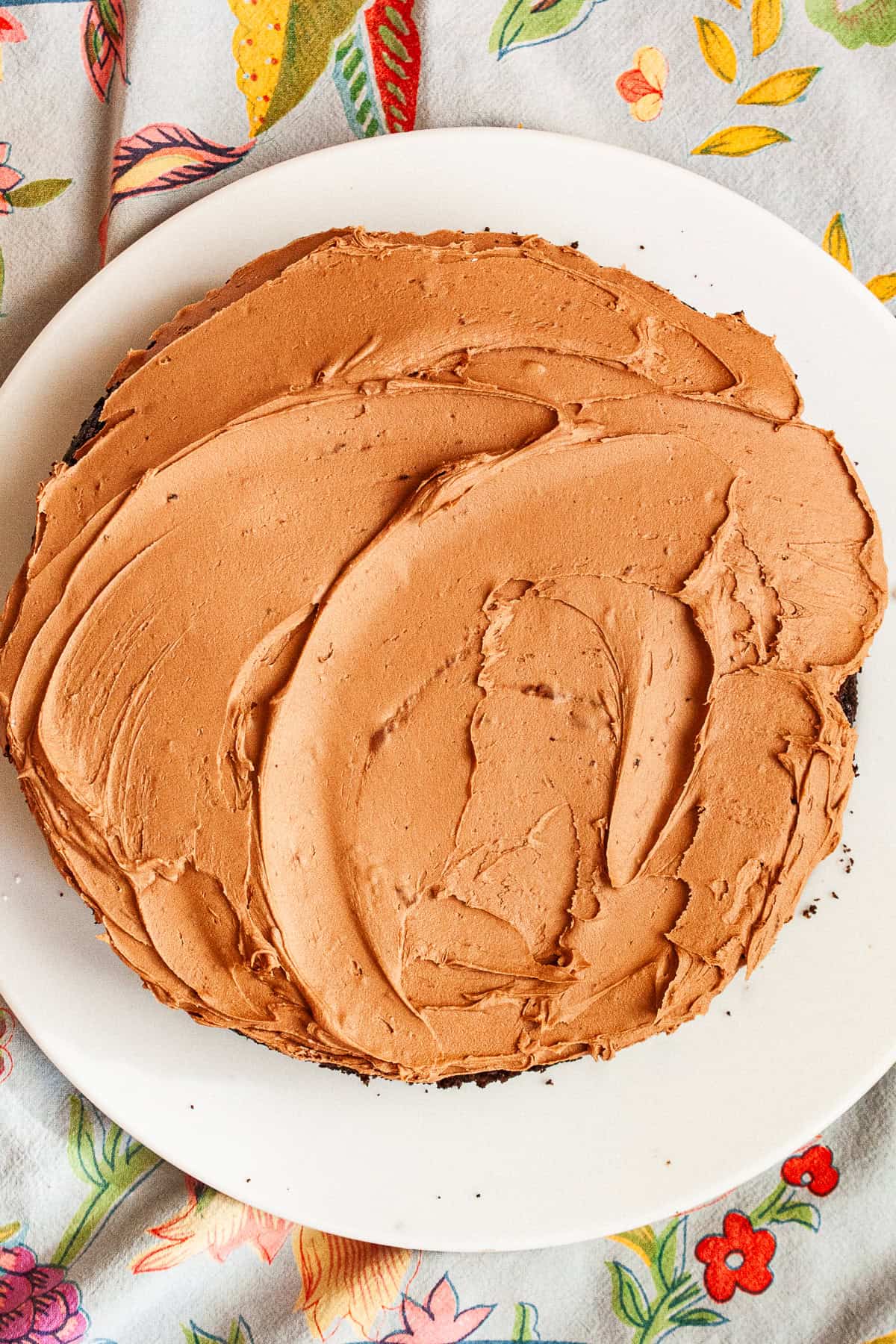
How to Make This Chocolate Buttercream Frosting Recipe
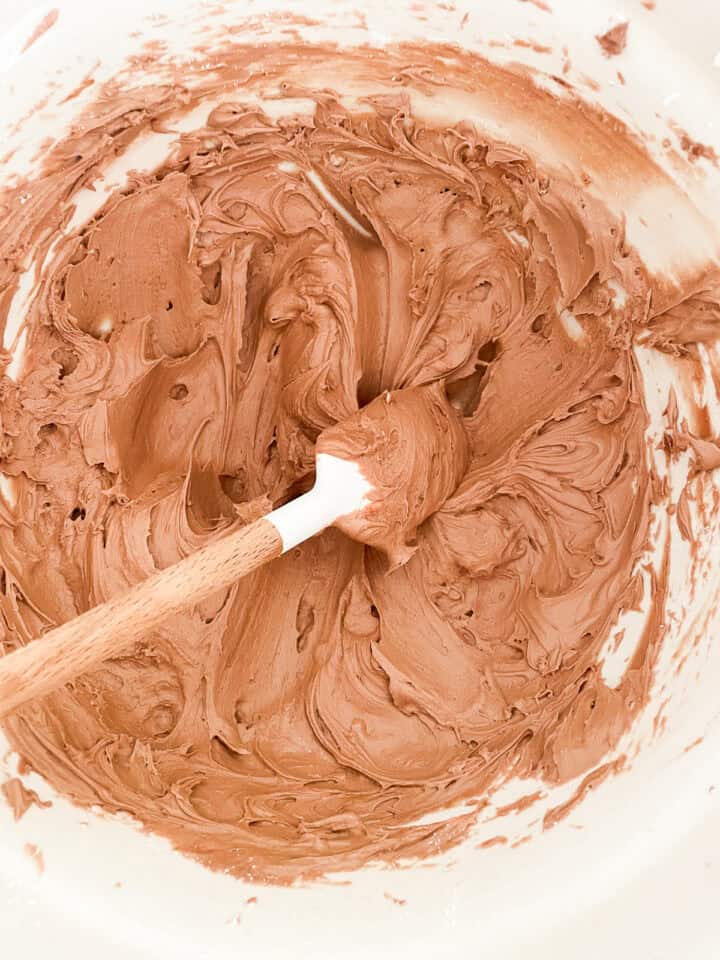
Here's an overview in photos of how to make chocolate buttercream!
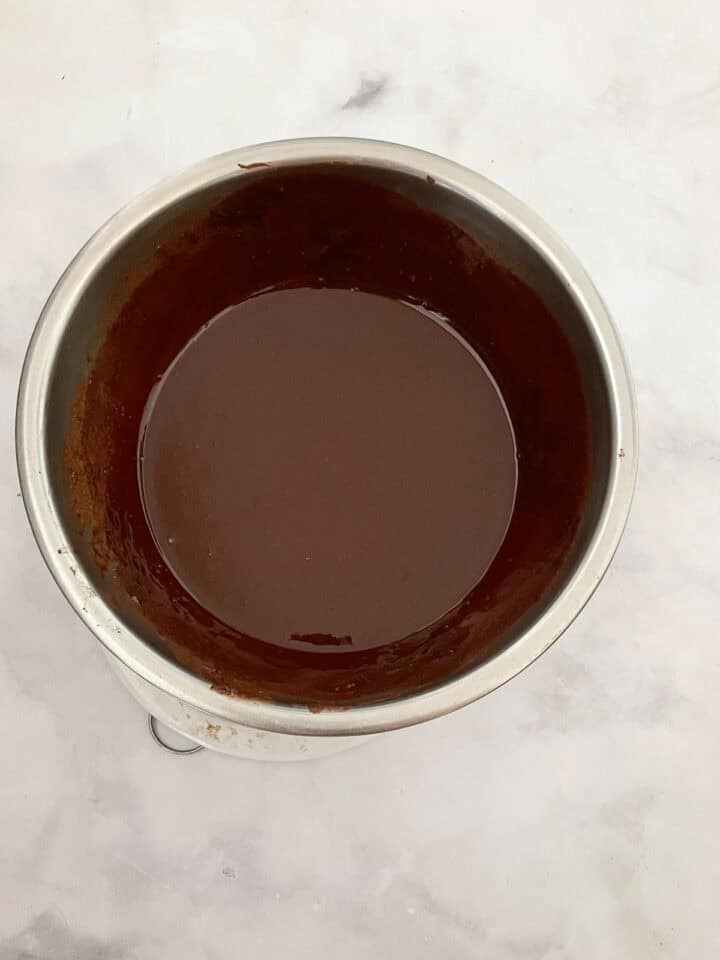
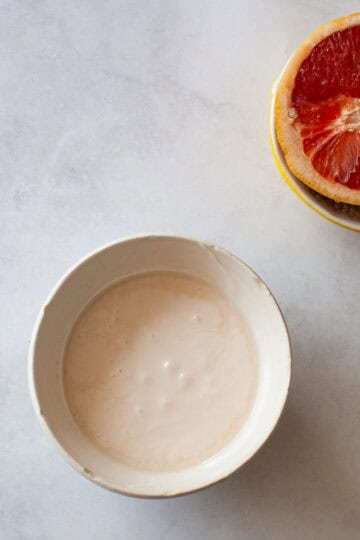
- Melt chocolate: In a heatproof bowl set over simmering water or in the microwave, melt the chocolate.
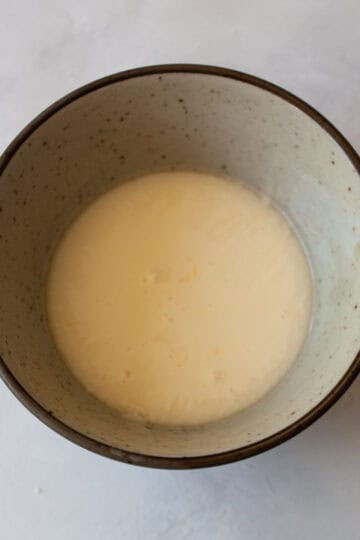
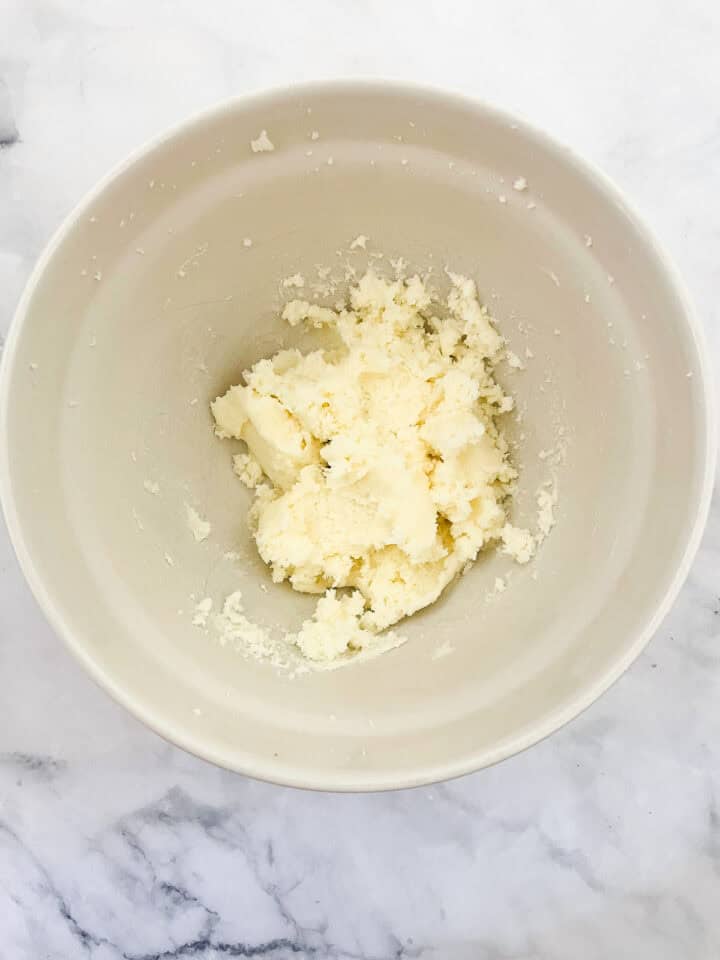
- Whip butter: In a large bowl, beat the butter for a few minutes.
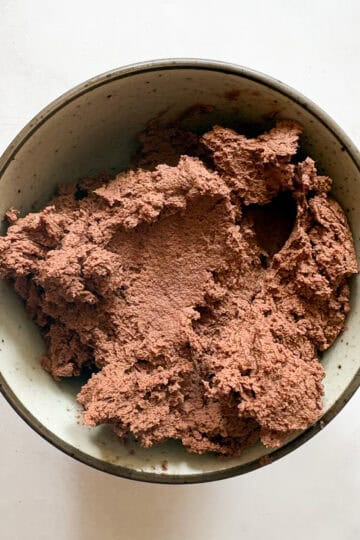
- Add chocolate and sugar: Now beat in the chocolate, powdered sugar, and milk until fluffy.
Chocolate Buttercream Tip: Room Temperature Butter
Yes, I put that in all caps because it's incredibly important! Why? If your butter is too cold/firm, it will result in a streaky frosting with lumps of butter. We're already contending with the clumpy powdered sugar factor, so we want to give it all the help it can get!
I like to use very soft butter, and by that I mean butter that can be pressed with a finger with very little give. When the butter is very soft, it will whip easily and create a smooth base for the buttercream.
Chocolate Buttercream Frosting Recipe Notes
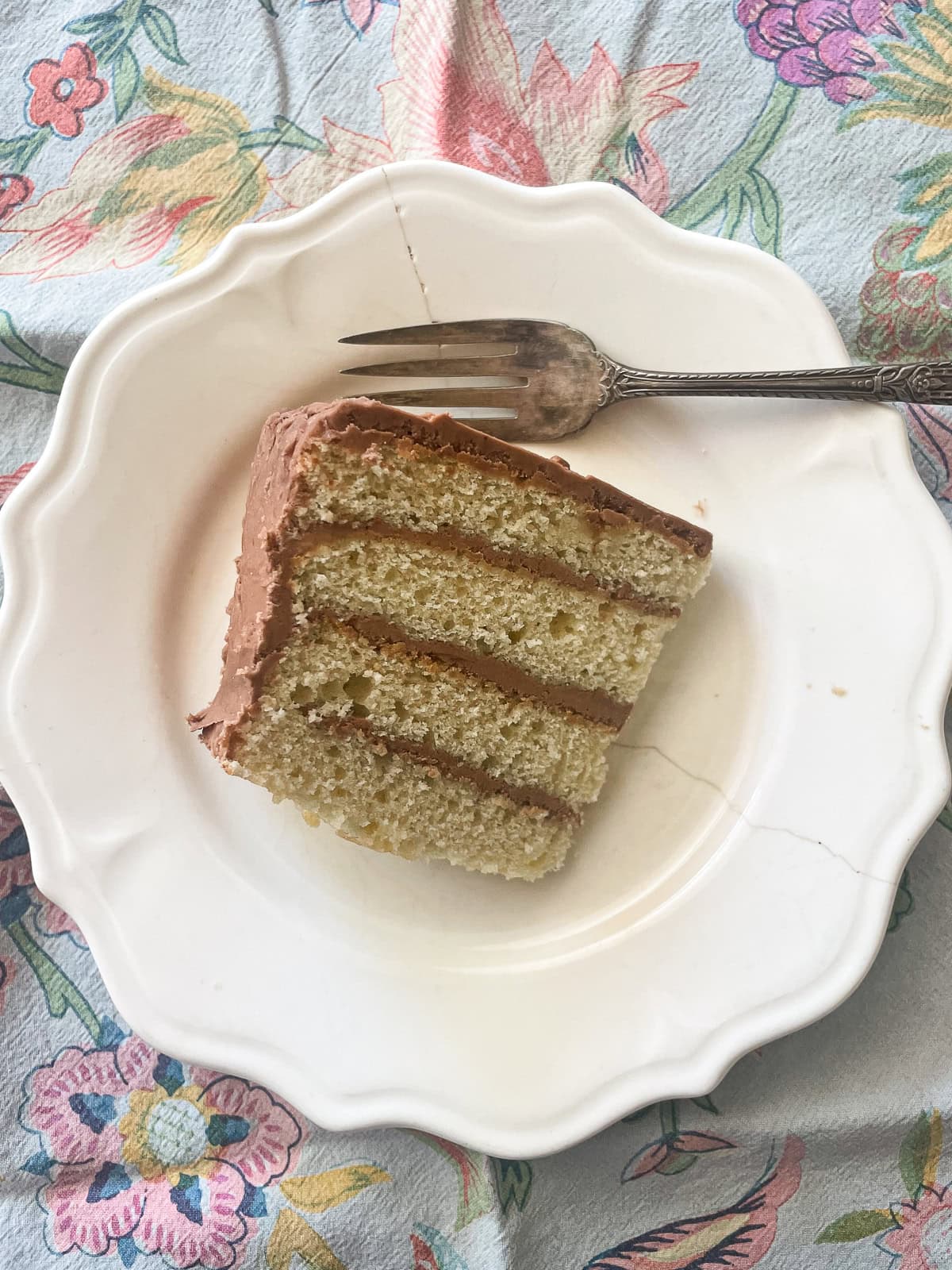
- How much does it make? This recipe makes enough frosting to fill and cover an 8 or 9-inch layer cake. It is easily doubled or tripled if needed.
- Whip the butter well. Start with a base of well-beaten, fluffy butter. This means that you should beat it for about 2-3 minutes, until lighter in color and texture.
- Sift the sugar. My no. 2 tip is to sift the powdered sugar before you beat it into the frosting. This will also help to make the smoothest, creamiest buttercream.
- Beat in sugar slowly. Reduce the mixer speed to low when adding the powdered sugar so that it doesn't create a huge cloud of sugar in your face! I like to add it slowly, too, so that it incorporates well.
- Cool the chocolate slightly. Melt the chocolate first, then allow it to cool for a few minutes (while you whip the butter?) so that it doesn't melt the butter when you add it to the bowl.
- Add sugar to taste. I like less sugar because there's sugar in the chocolate, and I like a less-sweet frosting. However, you can add more or less as you prefer.
- Adjust texture as needed. Honestly, a lot of times when I prepare this recipe, I wing it a bit. As you get more comfortable making buttercream, you will know when you need a little more milk or a little more powdered sugar. If you wish for a thicker frosting, add more sugar. For a very spreadable frosting, add a little more milk.
- Dairy-free. It's easy to make this dairy-free! Use dairy-free chocolate, then your favorite non-dairy butter and non-dairy milk.
How to Use Chocolate Buttercream Frosting
Oh, do you mean other than eating it off of a spoon ...? OK, here are some other things you can do with chocolate buttercream:
- Cake - To top a gluten free butter cake, gluten free vanilla buttermilk cake, gluten-free chocolate layer cake, chocolate teff cake, gluten free pumpkin chocolate cake, or an oat flour cake.
- Cookies - On gluten free peanut butter cookies, oat flour chocolate chip cookies, gluten free chewy pumpkin cookies, or gluten free brownies.
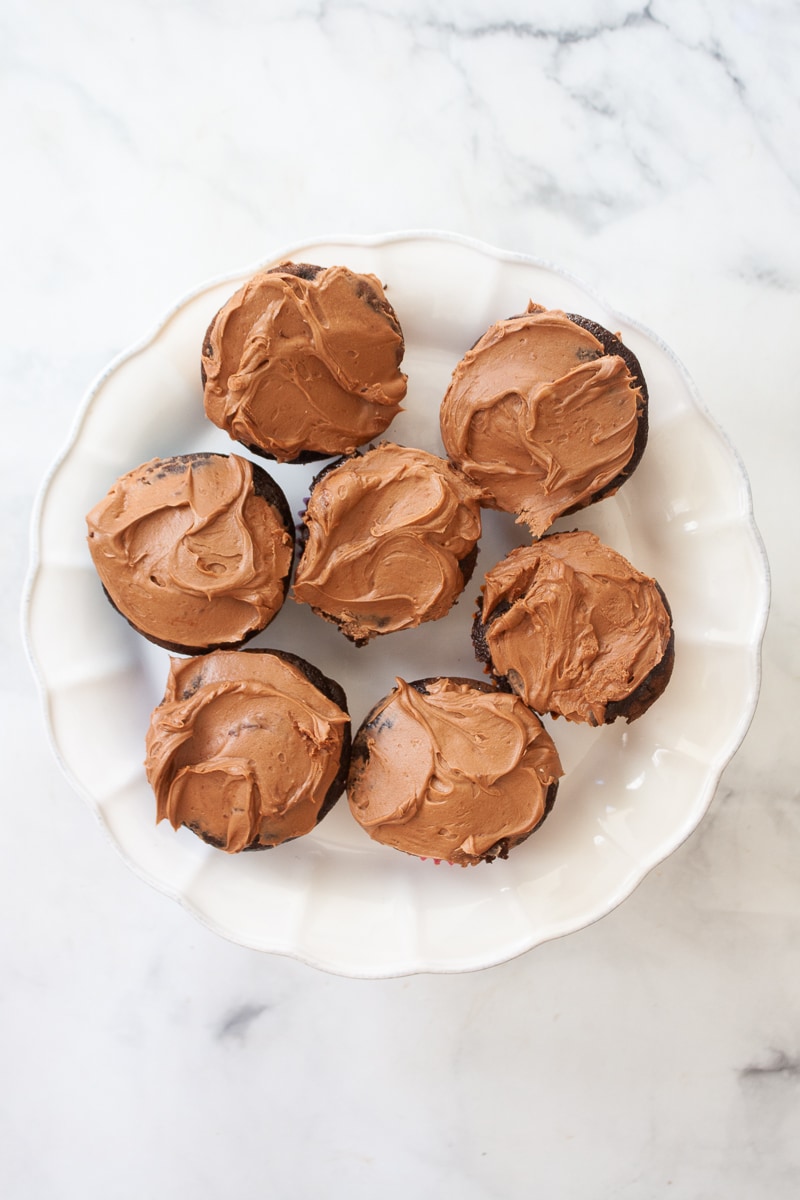
- Cupcakes - Try frosting on gluten free chocolate cupcakes or gluten free chocolate chip cupcakes.
Storage Options
I prefer to use my homemade frosting immediately, but you can certainly make it in advance if needed. Bring the frosting to a spreadable room temperature first so that it goes onto the cake/etc. easily.
- Fridge - Place the frosting in an airtight container and cover it with a piece of plastic wrap pressed down on the surface, then replace the lid. Store in the fridge for up to 1 week.
- Freezer - Transfer the buttercream to a freezer-safe bag and flatten it, making sure to press out any air. Store it in the freezer for up to 3 months, and thaw completely in the fridge before using.
More Chocolate Recipes

Happy baking! If you make this chocolate buttercream frosting recipe, I'd love to know. Please leave a comment below, reach out with any questions, and tag me on Instagram @Cucina Nicolina ❤️

Chocolate Buttercream Frosting Recipe
Ingredients
- 6 ounces unsweetened (or bittersweet) chocolate , chopped or as chips
- 1 cup unsalted butter or margarine, at room temperature
- 3-4 cups powdered sugar sifted
- 1-2 tablespoons milk or non-dairy milk, as needed
Instructions
- Melt the 6 ounces unsweetened (or bittersweet) chocolate in a heat proof bowl set over simmering water, or melt it in the microwave. Let cool to warm room temperature.
- In a large bowl, using an electric mixer or stand mixer, cream the 1 cup unsalted butter. Beat in the chocolate until combined. Beat in the 3-4 cups powdered sugar, and 1-2 tablespoons milk . Beat on low speed until combined, about 1 minute. Stop the mixer and scrape down the sides of the bowl. Increase the speed to medium and beat for 2 minutes until frosting is light and fluffy.
- If the frosting feels too dry, add more milk, 1 teaspoon at a time, until it is creamy but still holds peaks.
Notes
- Use room temperature butter. I like to use very soft butter, and by that I mean butter that can be pressed with a finger with very little give. When the butter is very soft, it will whip easily and create a smooth base for the buttercream.
- Whip the butter well. Start with a base of well-beaten, fluffy butter. This means that you should beat it for about 2-3 minutes, until lighter in color and texture.
- Sift the sugar. My no. 2 tip is to sift the powdered sugar before you beat it into the frosting. This will also help to make the smoothest, creamiest buttercream.
- Beat in sugar slowly. Reduce the mixer speed to low when adding the powdered sugar so that it doesn't create a huge cloud of sugar in your face! I like to add it slowly, too, so that it incorporates well.
- Cool the chocolate slightly. Melt the chocolate first, then allow it to cool for a few minutes (while you whip the butter?) so that it doesn't melt the butter when you add it to the bowl.
- Add sugar to taste. I like less sugar because there's sugar in the chocolate, and I like a less-sweet frosting. However, you can add more or less as you prefer.
- Adjust texture as needed. Honestly, a lot of times when I prepare this recipe, I wing it a bit. As you get more comfortable making buttercream, you will know when you need a little more milk or a little more powdered sugar. If you wish for a thicker frosting, add more sugar. For a very spreadable frosting, add a little more milk.
- Dairy-free. It's easy to make this dairy-free! Use dairy-free chocolate, then your favorite non-dairy butter and non-dairy milk.